
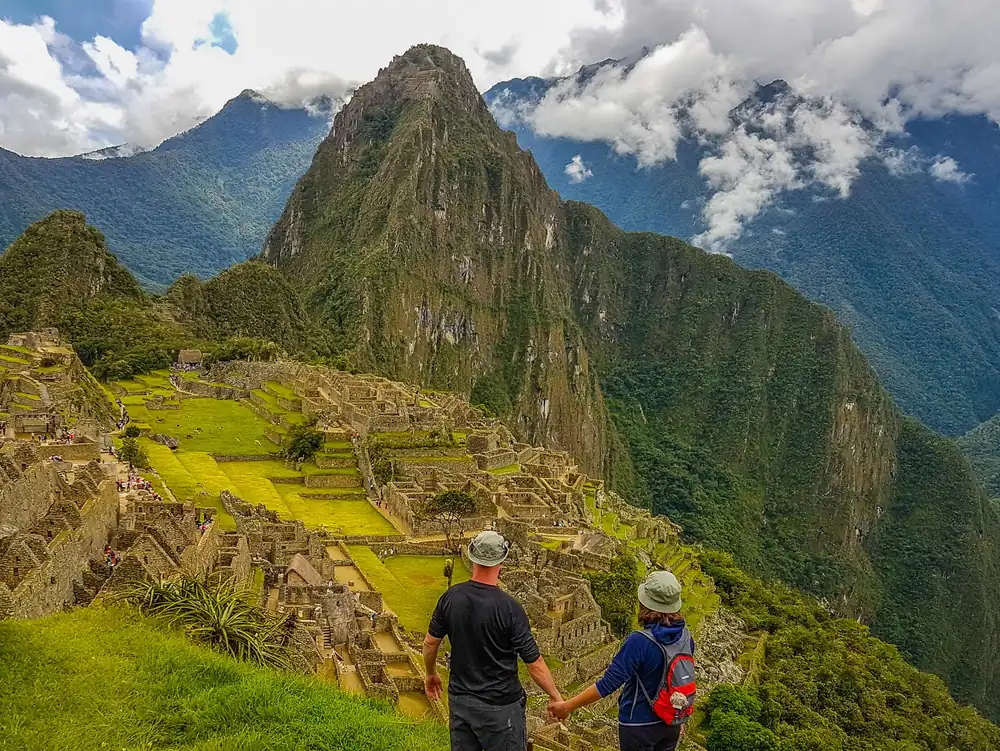
Personal story by Rob and Kellen
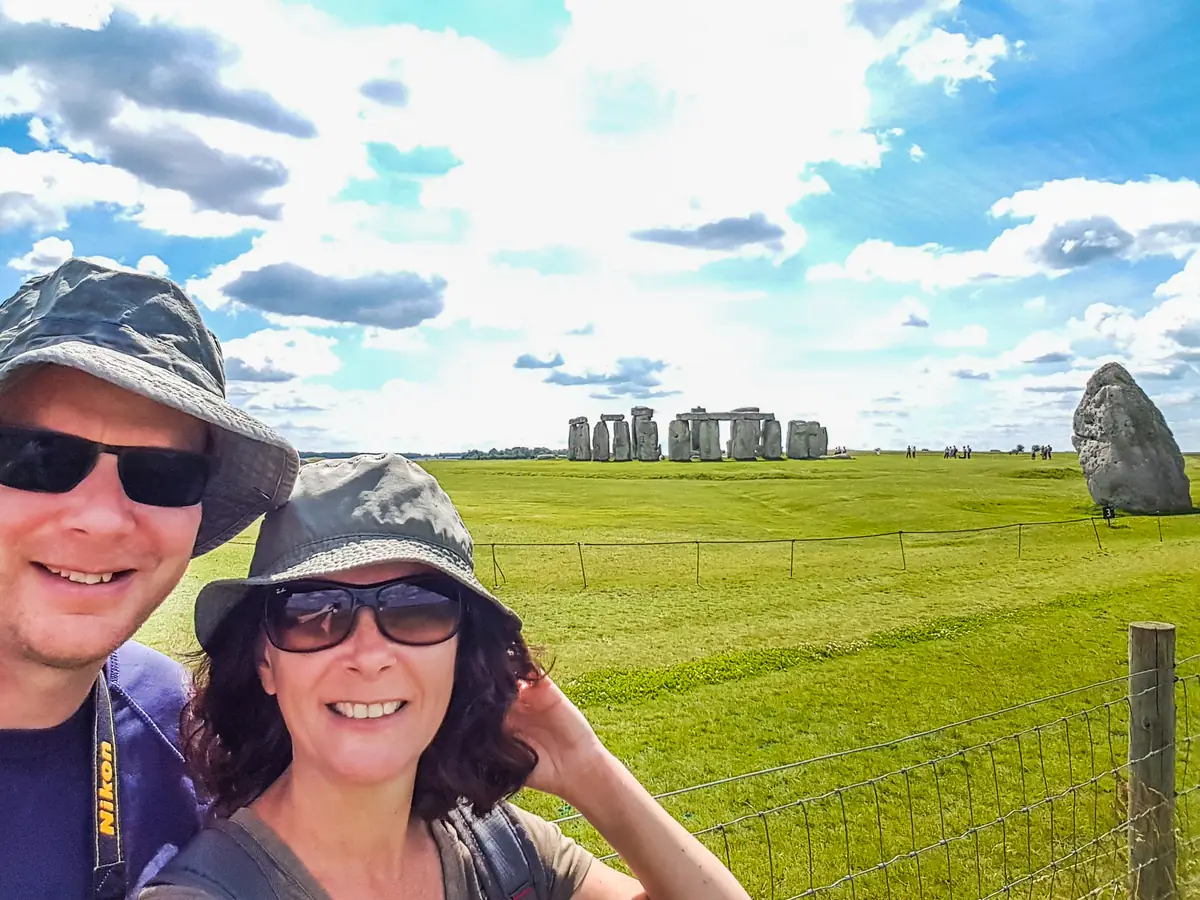
If someone had told us fifteen years ago that our lives would eventually revolve around prehistoric monuments, archaeological sites and unusual rock formations, we probably would have laughed. We have always loved travelling, but we never imagined that ancient places would become the thread connecting so many of our journeys.
We are Rob and Kellen, the couple behind Stone Bothering, a project dedicated to exploring ancient sites and stone landscapes around the world. The name comes from an old British expression meaning to spend time among stones, observing, appreciating and enjoying them. It perfectly reflects the way we travel. Rather than rushing from one famous attraction to the next, we prefer to slow down, spend time in each place and discover what makes it unique.
Looking back, it’s easy to see how everything fell into place. At the time, however, we had no idea that a few weekends exploring prehistoric monuments in England would gradually shape the way we travelled, influence the decisions we made and eventually lead us towards a lifestyle built around exploring the past.
Where it all began
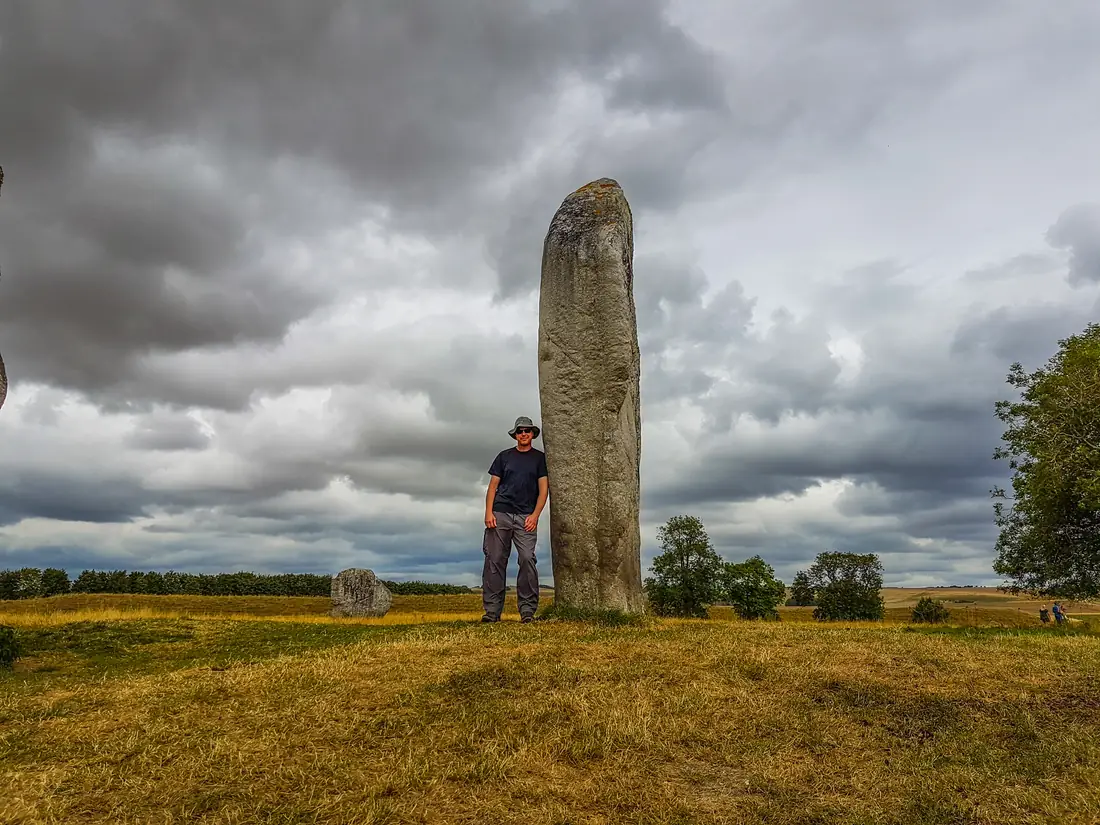
When we were living in Swindon, history was never far away. Within a short drive we could reach some of Britain’s most remarkable prehistoric landscapes. Stonehenge, Avebury, West Kennet Long Barrow and Silbury Hill were all close enough to visit on a weekend, and we soon realised how fortunate we were to have such an extraordinary concentration of ancient places almost on our doorstep.
Like many people, our journey began with Stonehenge. Seeing those enormous stones for the first time was every bit as impressive as we had imagined. It’s one of those places that almost everyone dreams of visiting at least once. Yet the place that truly changed us was Avebury.
Unlike Stonehenge, Avebury is not simply a monument that you admire from a visitor path. It is somewhere you can walk through. The prehistoric landscape surrounds you. Sheep graze between the stones, village streets pass through the ancient earthworks and everyday life continues within one of the largest stone circles ever constructed.
We found ourselves returning again and again. Every visit revealed something different. Sometimes it was the changing light across the landscape. Sometimes it was a detail we had overlooked before. Sometimes it was simply the feeling of spending an afternoon in a place where people had been gathering for thousands of years.
Living so close to these monuments gradually changed our weekends. Instead of asking ourselves where we wanted to go, we started asking a different question. Where was the nearest ancient place? Without realising it, that single question began shaping every journey that followed.
Following our curiosity
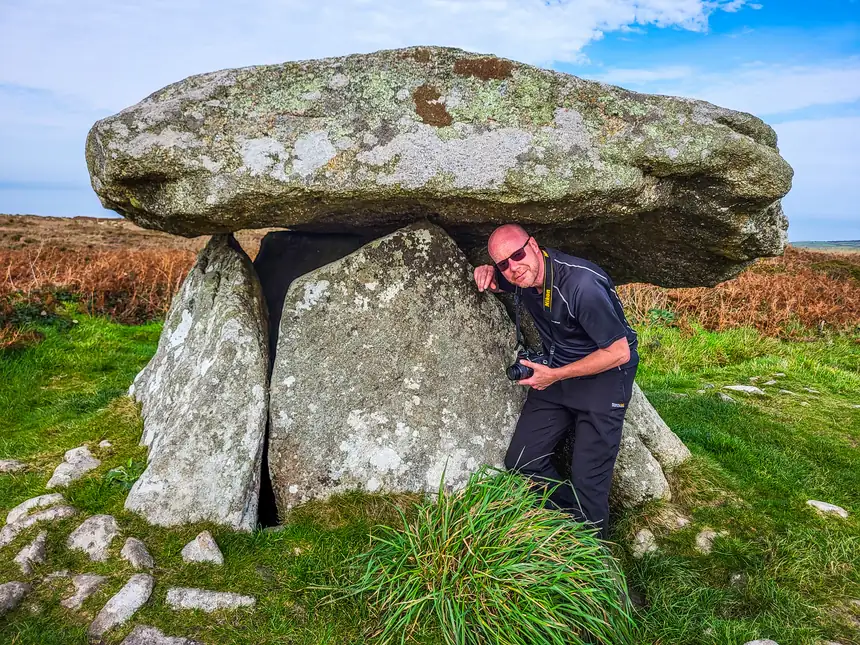
It did not happen overnight. There was no moment when we consciously decided that ancient places would become the focus of our travels. Instead, they gradually found their way into almost every journey we planned.
If we were spending a weekend in another part of Britain, we looked to see whether there was a prehistoric monument nearby. If we were travelling abroad, we searched for archaeological sites, ancient settlements or unusual rock formations before looking at anything else. Without ever discussing it, we had both started planning our journeys in exactly the same way.
One of the first places to reinforce this habit was the Teufelstisch, or Devil’s Table, in Germany. This remarkable sandstone formation appears to balance impossibly on a narrow pedestal. Although it is entirely natural, standing beneath it inspired the same curiosity we often felt at ancient monuments. It reminded us that people have always attached stories and meaning to unusual landscapes, whether they were shaped by nature or by human hands.
As the years passed, we noticed another change. We stopped trying to see as much as possible and started spending longer in fewer places. Ancient sites have a way of slowing you down. They encourage you to look more carefully, notice details and think about the people who once stood where you are standing. Every monument seemed to have its own character. Some dominated the landscape from miles away. Others remained almost hidden until you were standing beside them. Some answered questions, while others left us with even more.
Beyond Europe
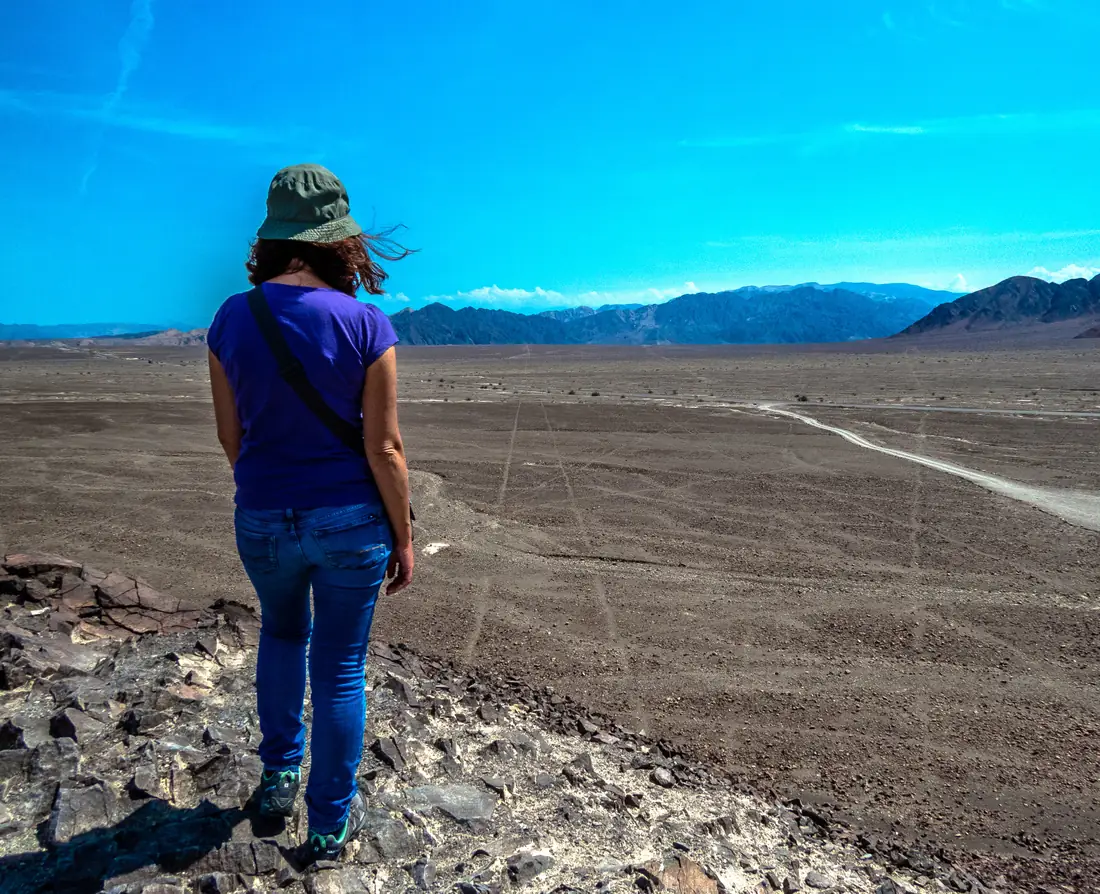
That curiosity eventually took us to South America, where we encountered an archaeological landscape unlike anything we had experienced before.
Peru had fascinated us for years through books and documentaries, but nothing prepared us for seeing its ancient sites with our own eyes. Walking through Machu Picchu was unforgettable, not simply because of its spectacular setting in the Andes, but because of the relationship between the architecture and the landscape. The citadel does not feel as though it has been placed on the mountain. It feels as though it belongs there.
We also discovered that Machu Picchu is only part of a much larger story. The Sacred Valley and the sites along the Inca Trail deserve just as much attention and reward anyone willing to explore beyond the famous photographs.
Another place that left a lasting impression on us was Caral. Often recognised as one of the oldest cities in the Americas, it receives only a fraction of the visitors who make the journey to Machu Picchu. Standing among its pyramids and ceremonial spaces was a reminder that South America’s story stretches back thousands of years before the Inca Empire.
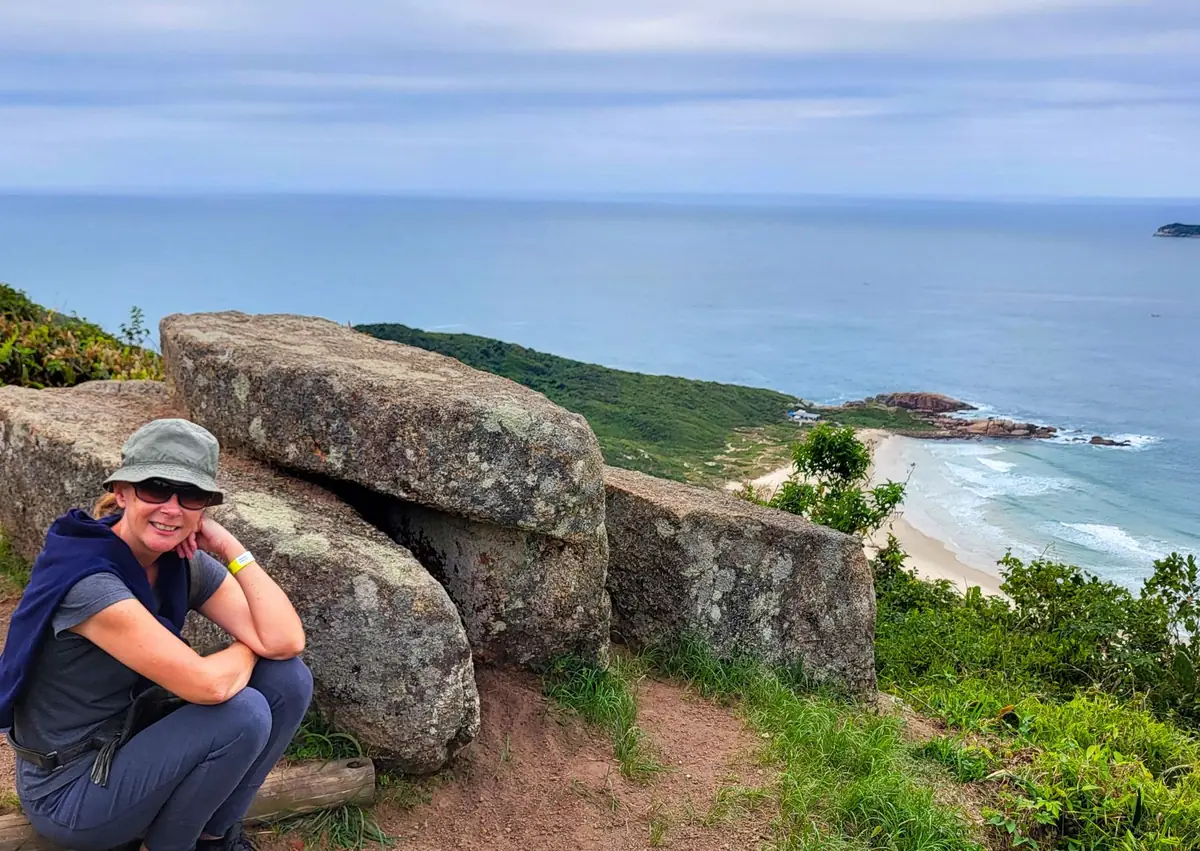
Travelling through South America also taught us one of the most valuable lessons we have learned. Some of the world’s most remarkable ancient places are the ones that rarely appear in travel guides.
When we visited Brazil, Kellen’s home country, we travelled to Dolmen da Oração, a prehistoric monument that many Brazilians have never even heard of. There were no queues and no crowds waiting for photographs. Just an extraordinary monument standing in the landscape. Discovering places like this reminded us that curiosity often leads to experiences that no itinerary can predict.
By then, our fascination with ancient places was influencing far more than our choice of destinations. It was beginning to shape the way we lived.
Building a life around exploration
By the time we returned from South America, one thing had become clear. Ancient places were no longer simply influencing where we travelled. They were influencing the kind of life we wanted to live.
We realised that a couple of weeks away each year would never satisfy our curiosity. There were too many ancient landscapes to explore and too many places we wanted to experience properly rather than rushing through on a tight schedule.
Instead of trying to travel continuously, we gradually built a semi-nomadic lifestyle that suited us. We spend part of the year exploring ancient places, then return to our home countries to work, develop Stone Bothering and create resources for people who enjoy visiting ancient sites before setting off again. It’s a balance that allows us to keep travelling while continuing to build a project that grew from our shared passion.
We never sat down and decided to build a semi-nomadic life around ancient places. One journey simply led to another, until travelling, writing and exploring became impossible to separate.
Where to begin your own journey
People often ask us where they should begin if they want to explore ancient places for themselves. The answer depends on what kind of experience they are looking for, but there are three regions that have shaped our own journey more than any others.
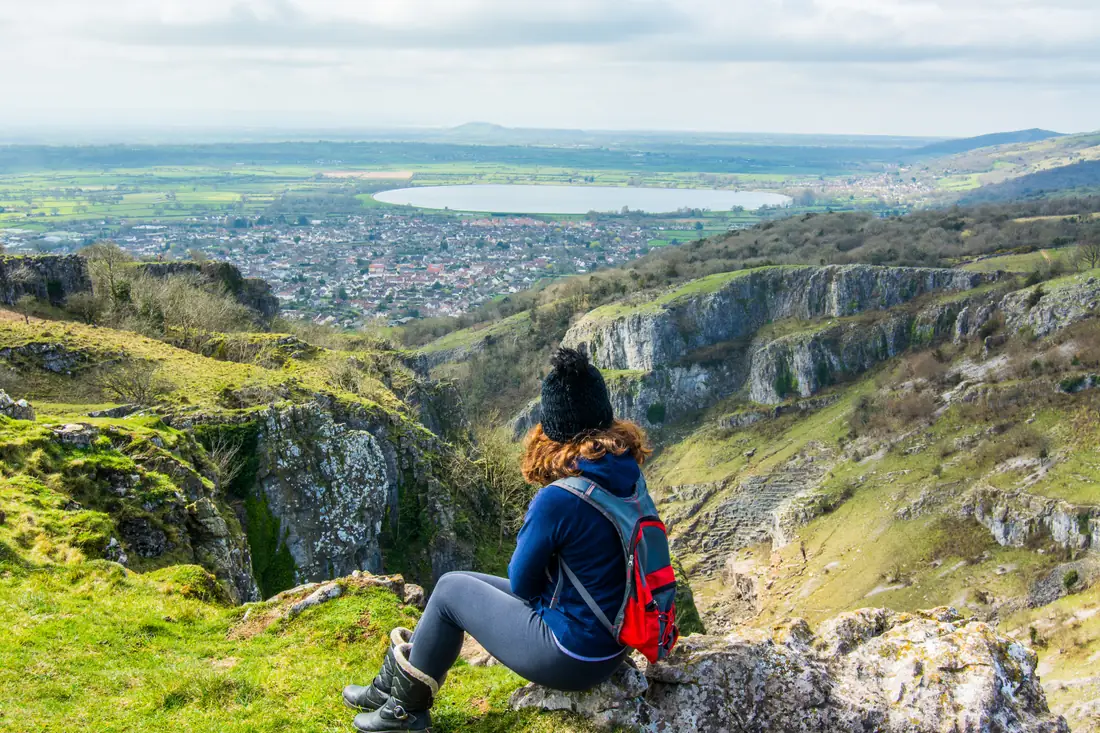
Britain is where our fascination with ancient places truly began. Few countries offer such an extraordinary variety of prehistoric monuments within such short travelling distances. Stone circles, burial chambers, hillforts and ancient earthworks are scattered across the landscape, making it possible to discover fascinating places over a single weekend. Even after years of exploring, we still find ourselves returning because there is always another site waiting to be discovered.
Europe offers a wonderful opportunity to see how different cultures expressed themselves through stone. From megalithic tombs and standing stones to remarkable natural rock formations surrounded by local traditions, every country adds another piece to the story. Some of our favourite discoveries have happened completely by chance, simply because we decided to take a small detour.
If there is one country that confirmed we wanted to build our lives around exploring ancient places, it was Peru. We have travelled from the north of the country to the far south, visiting famous sites such as Machu Picchu alongside places that receive only a fraction of the visitors. Every region has revealed something different, from the monumental architecture of the Inca to cultures that flourished thousands of years earlier. Even after everything we have seen, Peru remains a place we want to return to because we know there is still so much left to discover.
If we have learned one thing, it is that you do not have to travel to the world’s most famous monuments to have unforgettable experiences. Sometimes the places you remember most are the ones you were not expecting to find.
Books that inspired us
Books have also played an important role in shaping the way we see ancient places. Some have helped us discover new locations, while others have influenced our curiosity about the ancient world long before we ever visited these places ourselves.
One book that holds a special place in our journey is Machu Picchu: Cité perdue des Incas by Simone Waisbard. Kellen discovered this book when she was young, long before visiting Peru, and it sparked a fascination with Machu Picchu and the ancient world that eventually led us there. Although the book is now difficult to find, the images and descriptions created a lasting curiosity that eventually became a real experience when we finally stood among the ruins ourselves.
For exploring Britain’s prehistoric landscapes, we recommend The Old Stones by Andy Burnham. It has helped us discover places we might otherwise have overlooked and changed the way we approach visiting ancient sites.
Another book that has influenced the way we think about ancient landscapes is The Ancient Paths by Graham Robb. It explores the connections between people, routes and landscapes, reminding us that ancient places were not built in isolation. They were connected to the journeys people made, the places they lived and the landscapes they moved through.
Rediscovering the past
Building a semi-nomadic life around exploring ancient places has given us something extraordinary: the time and freedom to follow our curiosity wherever it leads. Every journey reminds us that there is always another landscape to explore, another story to uncover and another piece of the past waiting to be understood.
Fifteen years ago, we never imagined that a shared fascination with prehistoric stones would shape the lives we have built together. Our journey is far from over, and we will continue rediscovering the past, one stone at a time.
About the author
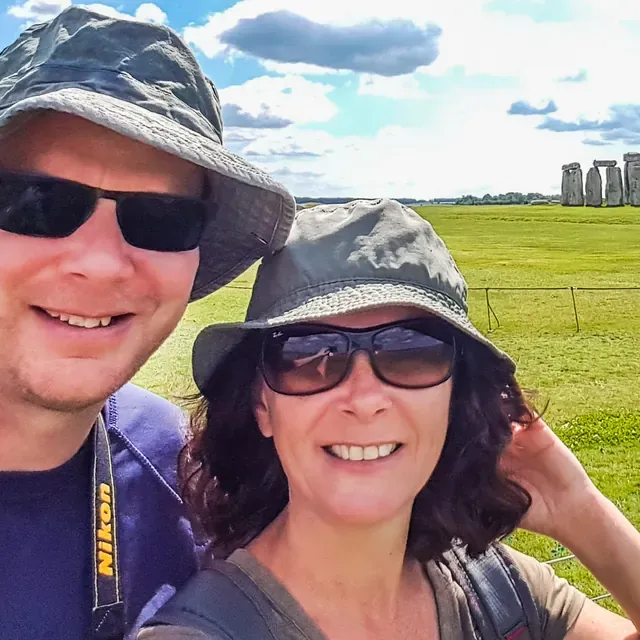
Rob and Kellen are the couple behind Stone Bothering, a project exploring prehistoric monuments, archaeological sites and stone landscapes around the world. Their semi-nomadic lifestyle allows them to travel while creating guides and resources inspired by their experiences.