
Personal story by Rainy Zhou
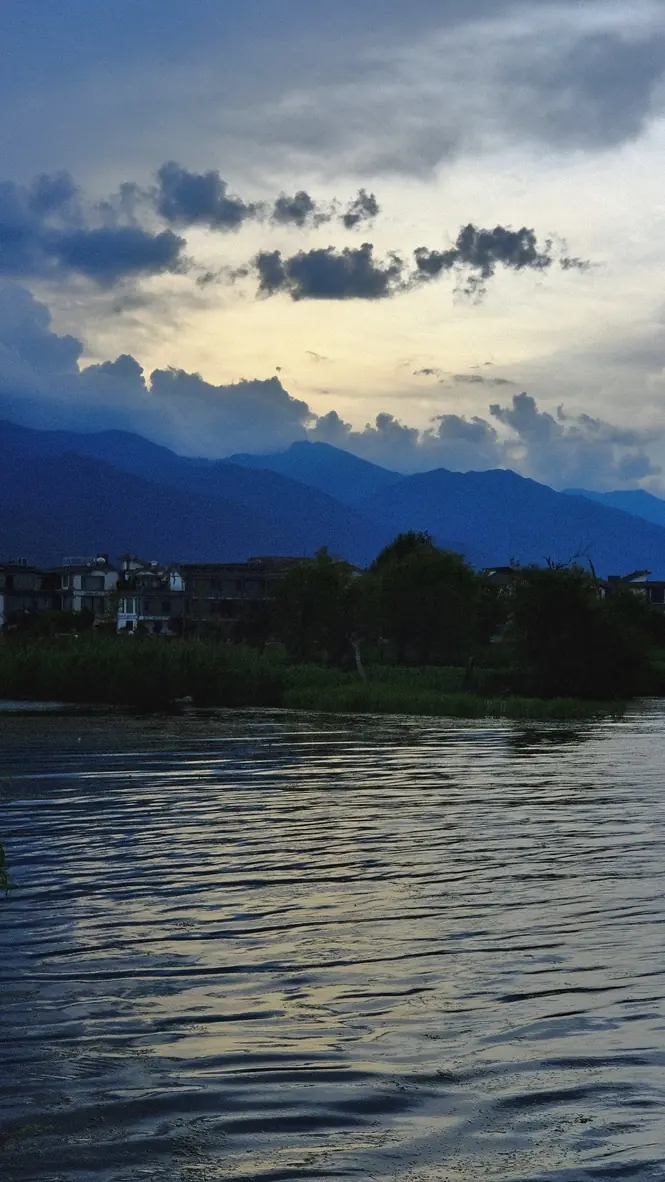
Ask a Chinese digital nomad where their movement began, and one answer comes up again and again: Dali. I lived there for two years and helped organize China’s first large-scale digital nomad conference there, but let me first show you where it is, because almost no one outside China can place it on a map.
Dali sits in Yunnan, China’s southwestern frontier province, bordering Myanmar, Laos, and Vietnam – culturally closer to the Himalayas and Southeast Asia than to Beijing or Shanghai.
The old town lies at 2,000 meters, pressed between the 4,000-meter peaks of the Cangshan range on one side and the vast blue plate of Erhai Lake on the other. The altitude gives it a climate the Chinese call “eternal spring,” along with some of the cleanest air in the country. A flight from Shanghai takes three and a half hours and lands you in a different China entirely.
Between Cangshan and Erhai
Nomads hike the Jade Belt Road, a stone path threading the Cangshan slopes at 2,600 meters with the whole valley spread below, and cycle the 120-kilometer ring road around Erhai, past fishing villages and wetlands. There is rock climbing, herb-foraging with local guides, and camping under star-filled skies. In spring, wild azaleas set the mountainside blooming. A standing joke among residents: in Dali, productivity is a seasonal condition.
And Dali was never quite “Han China” to begin with. This is the homeland of the Bai, one of China’s fifty-six ethnic groups, who ruled their own kingdoms here – Nanzhao, then the Dali Kingdom, contemporaneous with the Song dynasty, for five centuries. The town was a key node on the Tea Horse Road, the caravan route carrying Yunnan tea toward Tibet, and the traffic left its mark: Buddhism, Taoism, Islam, Christianity, and the indigenous Bai faith have coexisted here for centuries. Even the architecture is communal by design, where Bai courtyard houses double as family space and neighborhood commons. Openness, in Dali, is not a vibe. It is infrastructure, a thousand years old.
That infrastructure has absorbed wave after wave of newcomers. In the 1980s, Dali became one of the first places in China to receive Western backpackers. The Lonely Planet generation drifting up from Southeast Asia left behind cafés, guesthouses, and a strip still called Foreigner Street. In the 2000s came artists and musicians fleeing the megacities; in the 2010s, families seeking alternative education and organic farms. Then the pandemic sent China’s remote workers and burnt-out “quiet quitters” looking for somewhere humane to land. Each wave didn’t displace the last. Instead, they layered, like sediment.
A Scene Built by Its Members

What grew from that sediment is structurally different from other nomad spots such as Chiang Mai and Lisbon. In most hubs, the nomad is a customer: you buy the coworking desk, the retreat, the curated dinner. Dali runs on co-creation. Close to a hundred community events unfold every week, including organic farming mornings, contact improv, a Bai women’s choir that welcomes newcomers – almost none of them are run by companies. The communities anchoring the scene, NCC (Nomad Co-living & Co-creating) and CYC (Connected Youth Community) among them, are renovated and operated by their own members. And the economics allow experimentation: courtyard homes rent from 800 yuan a month, about €100, and a good meal costs €3.
Festivals That Pull Nomads In
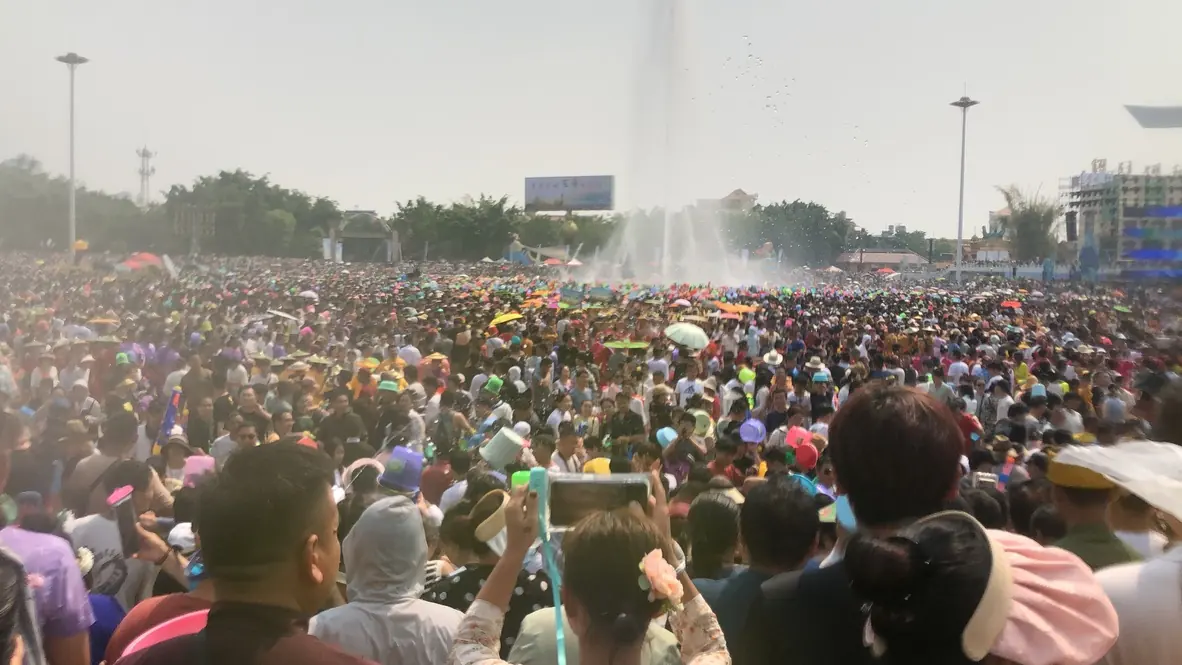
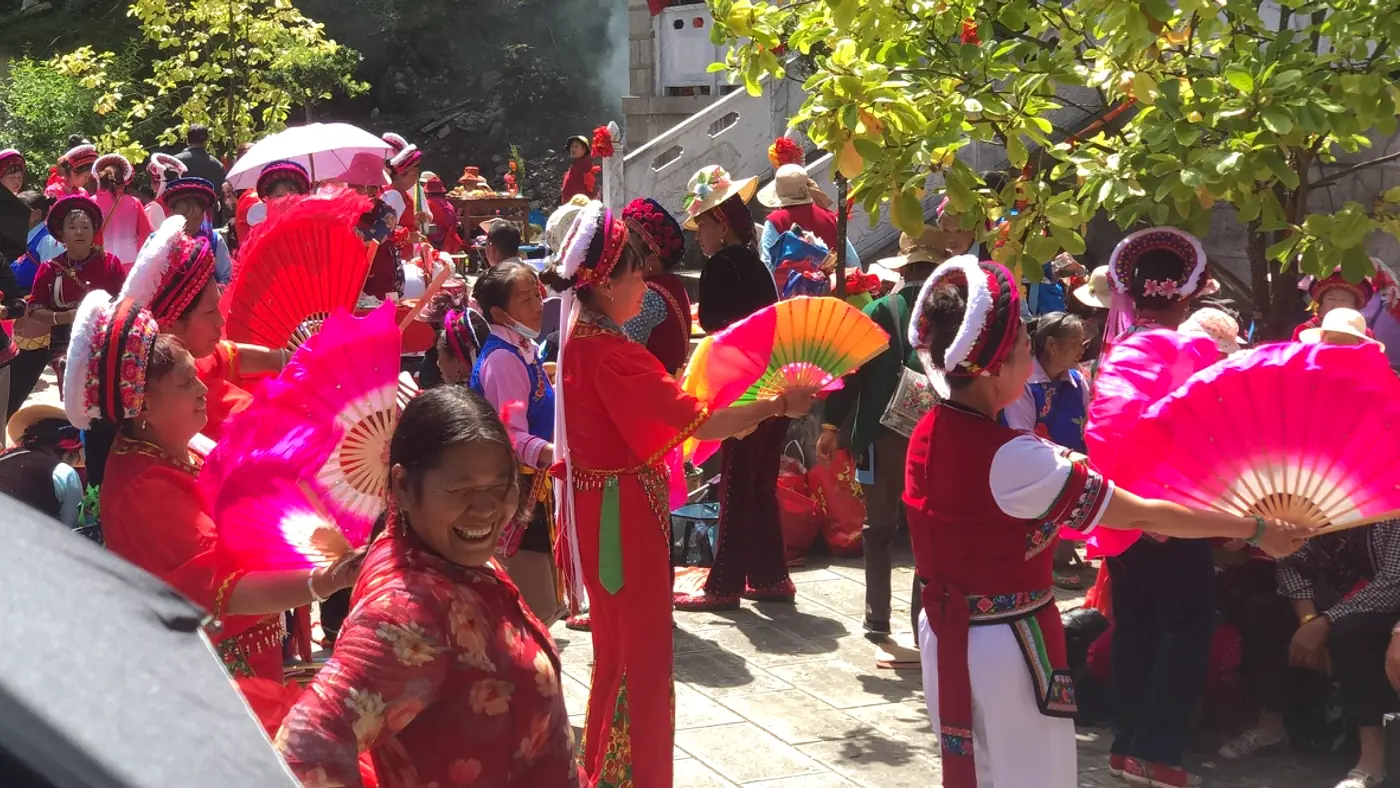
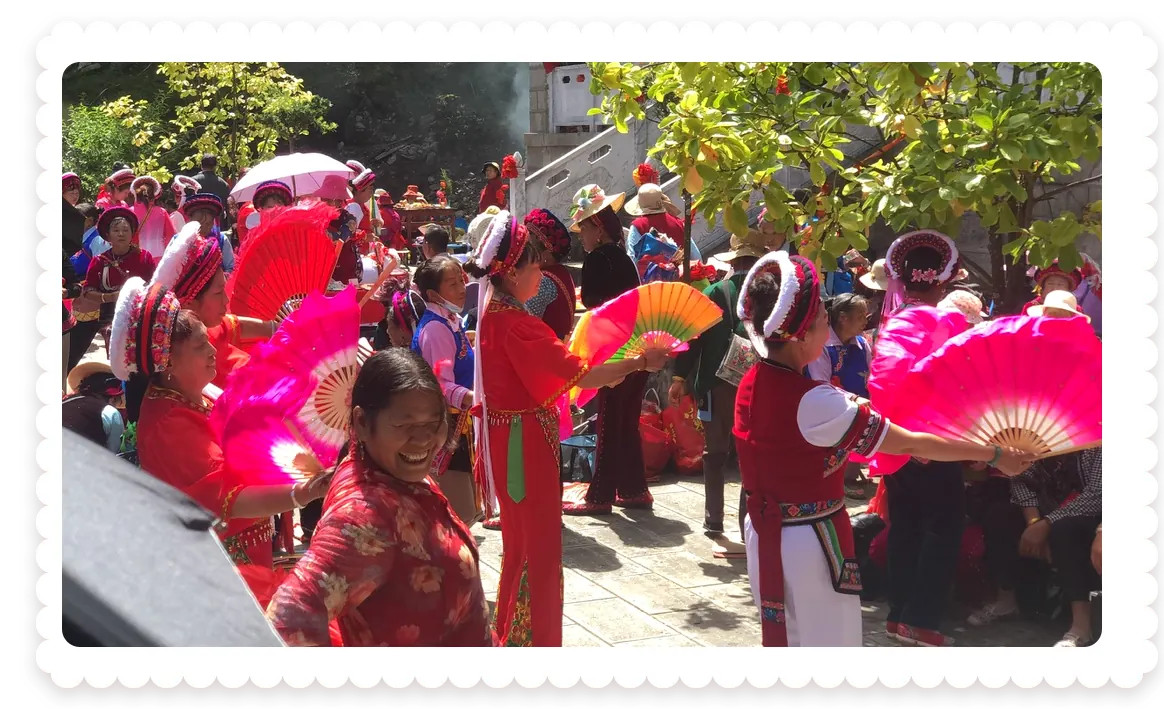
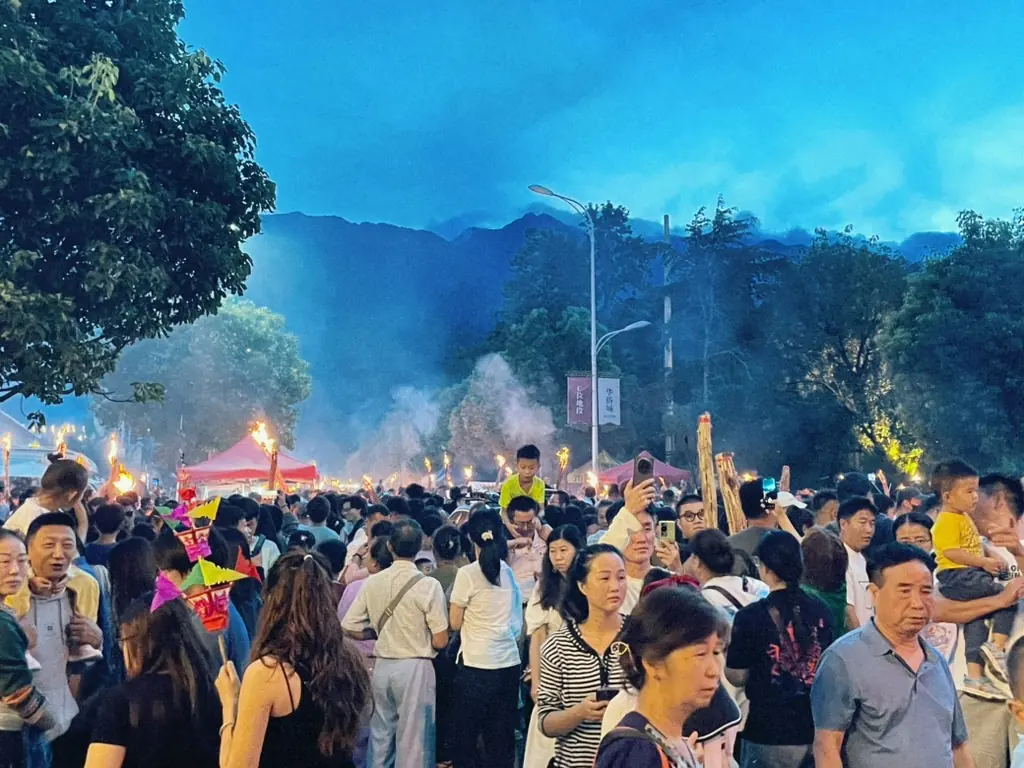
The calendar, meanwhile, belongs as much to the Bai as to the nomads. At the Third Month Fair, a market and festival that has convened for centuries every lunar March, horse races and antiphonal singing take over the valley, and foreign remote workers stand beside Bai grandmothers, picking through the same baskets of Erhai silverfish. At midsummer’s Torch Festival, the entire Dali valley goes alight, flames rising outside every doorway. During Raosanling, Bai villagers process between temples for three days of song. Nomads are not spectators at any of these; they are pulled in.
The Spell, and the Question Under It
It is not untroubled. Rents have climbed, quiet lanes now know traffic jams, and a tension has surfaced between long-termers who learn Bai dialect and seasonal visitors who come for the photos. Whether Dali can stay open without being consumed is the community’s central question.
But there’s a running joke among Dali nomads: if you’ve spent a month there without picking up one useless skill – pottery, meditation, a few phrases of Bai – you haven’t really arrived. That joke contains the whole place. Dali is not a productivity hack or a tax strategy. It is a thousand-year-old experiment in absorbing outsiders, currently hosting its most digital cohort yet. Magic would be too strong a word. But it does cast a kind of spell: it makes you rethink what actually matters, and it was doing that to newcomers long before any of us carried laptops.
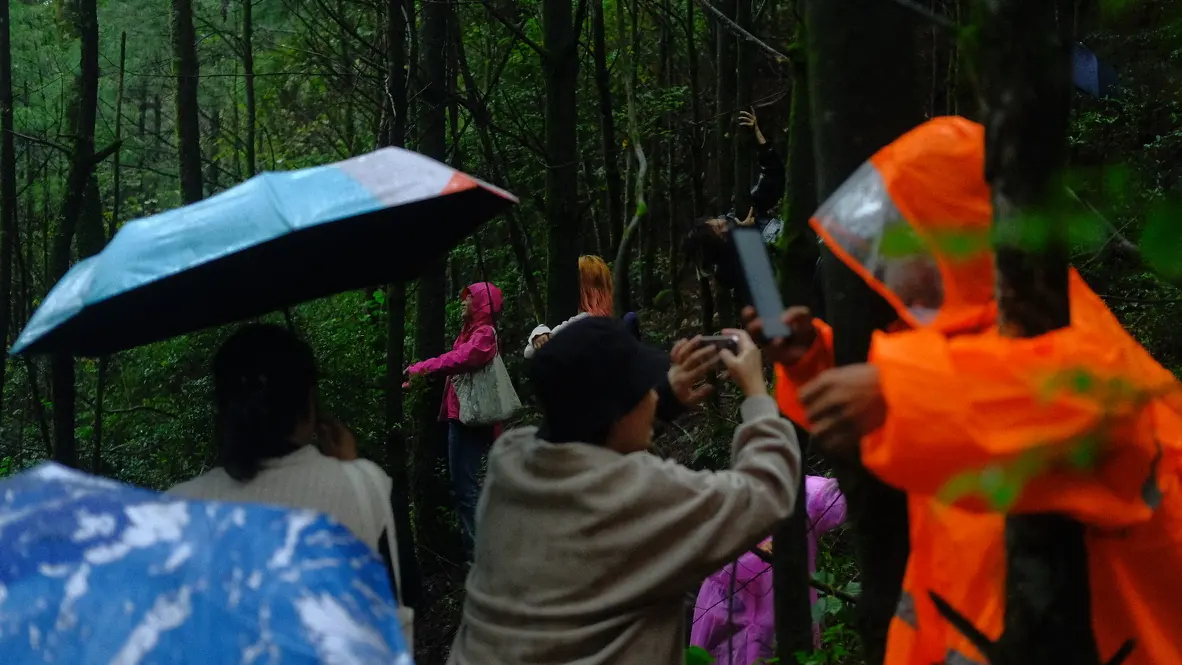
So consider this an invitation. Come hike the Jade Belt Road at dawn, stand in the firelight of a Torch Festival night, learn three phrases of Bai from an auntie at the market. Come and feel a China that rarely makes the headlines. It’s slower, wilder, and woven with the traditions of its ethnic minorities. Dali has been absorbing newcomers for a thousand years. It has room for you too.
About the author

Rainy Zhou (周莫) is a community builder and growth operator deeply embedded in China’s AI and digital nomad ecosystems. She led GTM and partnerships for China’s first national Digital Nomad Conference, bringing together 1,500+ participants across media, government, and global communities. Through coliving programs, APAC summits, and cross-border initiatives, she now works across multiple AI communities in China, helping teams navigate go-to-market, content strategy, and ecosystem connections. Rainy brings a rare on-the-ground perspective on how China’s AI landscape actually operates.