
Chapter 1: Unfolding China’s Nomad Map
Most digital nomads can sketch Southeast Asia’s nomad trail from memory: Chiang Mai, Bali, Da Nang, each with its own mythology. Ask them about China, and you’ll usually get a blank stare.
But here’s what that blank space hides: a nomad scene that looks nothing like the one you know, and not just one scene, but several. Artists living on $300 a month in a thousand-year-old mountain town. AI founders shipping products from co-living villages surrounded by bamboo forests. Hardware hackers and software builders choosing nomad life as an operating model.
Over the past three years, I’ve organized China’s first large-scale digital nomad conference, 数字游民大会 – China Digital Nomad Conference, mapped communities from fishing villages to megacities, and watched this landscape take shape from the inside. The map is bigger and more alive than you would expect.
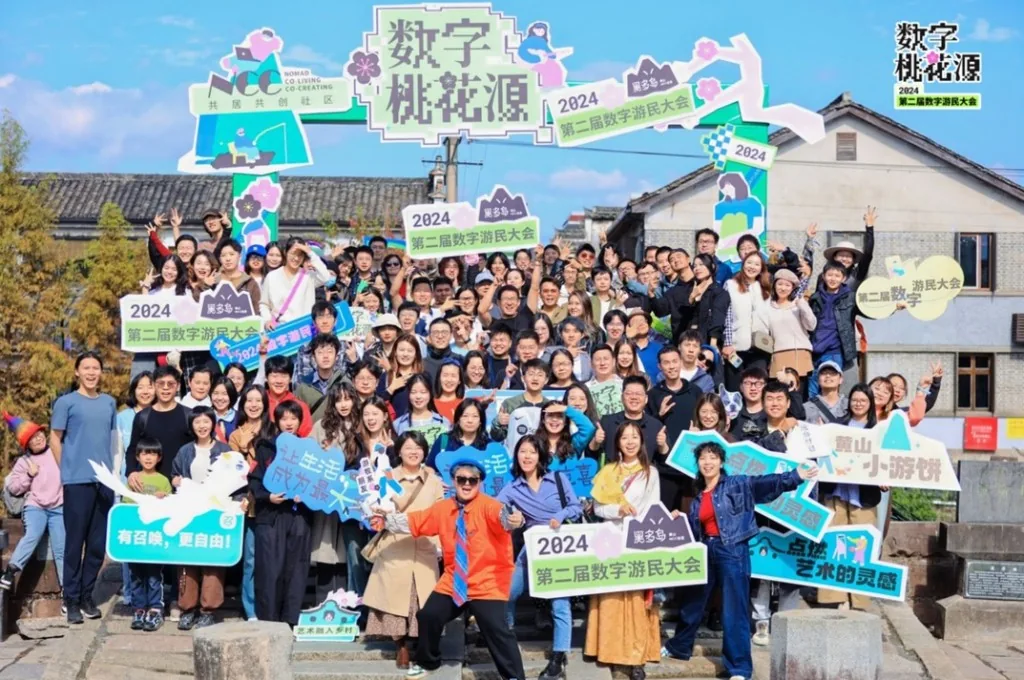
Dali: The Origin
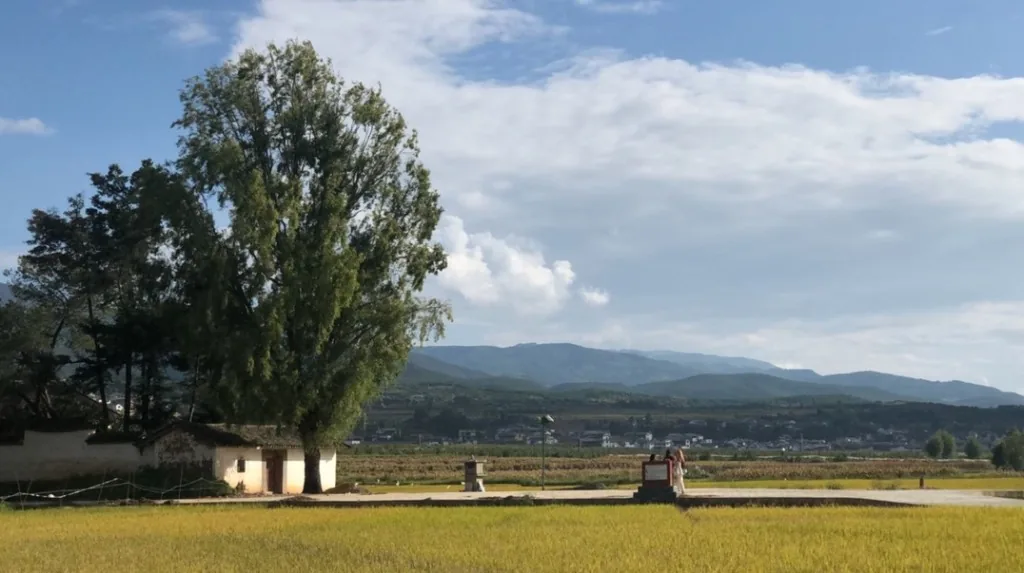
Let’s start where it all began. Dali, a thousand-year-old city at the foot of the Cangshan mountains in Yunnan, is China’s answer to Chiang Mai, except it didn’t grow from expat culture.
During the Bai people’s Third Month Fair, you’ll see foreign nomads and local grandmothers picking through the same baskets of Erhai Lake silverfish at a market that’s been running for centuries. A courtyard apartment with a garden rents for 800 yuan a month, around $110. Lunch costs $3. Coffee, $2. Every week, nearly a hundred community events unfold across the old town and surrounding villages: organic farming workshops, improvised music jams, contact dance sessions, and skill-sharing circles.
Dali runs on openness. The nomad communities here, such as NCC (Nomad Co-living & Co-creating) and CYC (Connected Youth Community), are not service providers; they’re co-created ecosystems where everyone is a participant.
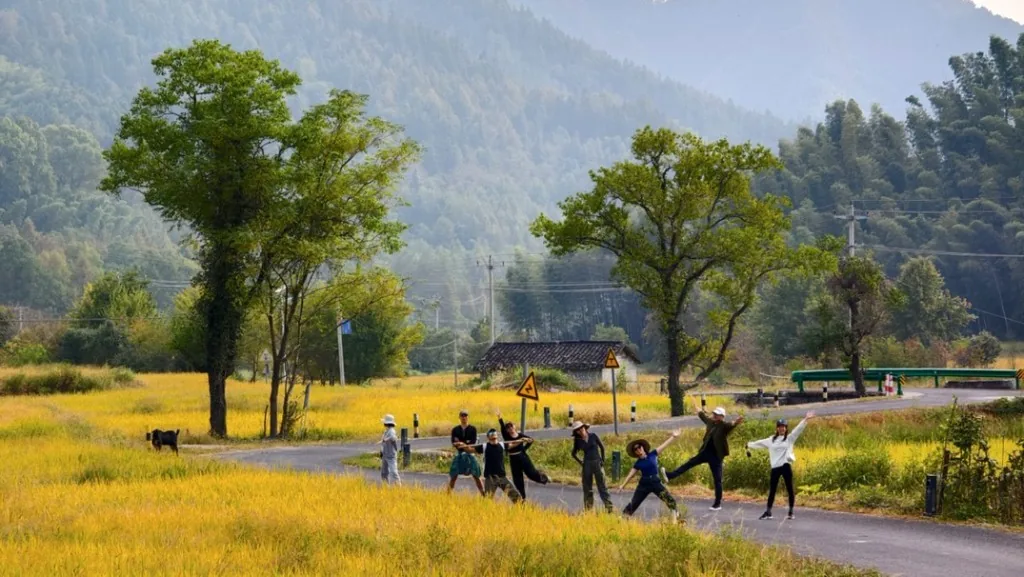
Anji and Huangshan: The Unexpected Ones
Now let’s zoom east. In Anji, Zhejiang province, digital nomads work from a village called Yucun, surrounded by bamboo forests that inspired the movie Crouching Tiger, Hidden Dragon. In Huangshan, the NCC brand has taken root in Qingshan Village, where centuries-old stone houses have been converted into co-living spaces.
What makes these places globally unique is that local governments are actively recruiting digital nomads to revitalize rural communities. Town officials visit nomad spaces, tourism bureaus provide support, and village infrastructure gets upgraded for remote workers.
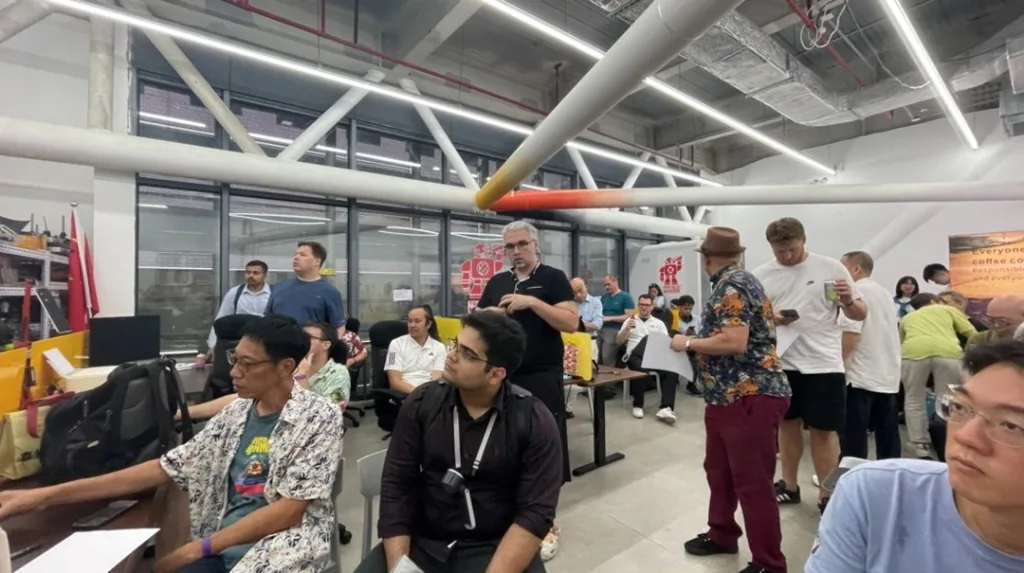
Shenzhen and Hangzhou: The AI Shift
Fly south to Shenzhen and the vibe changes completely. Two years ago, the nomads here were trading crypto. Now they’re shipping AI products. Shenzhen, China’s hardware capital, and Hangzhou, its software stronghold, home to Alibaba and a dense ecosystem of young tech startups, are the twin engines of a new kind of nomad: the AI entrepreneur.
China’s nomad demographic is undergoing a revolution. The Web3 winter cleared out one generation and AI tools created another.
Coding agents and large language models have turned the one-person company from a meme into an operating model. Non-technical founders are building and launching products solo. The new wave is entrepreneurs who realized they no longer need a fixed address.
Sanya and Pingtan: The Islands
Further south, Sanya on Hainan Island offers China’s tropical nomad chapter. NCC has already established a beachside community there. Off the coast of Fujian, Pingtan is something rarer: an actual island-based digital nomad village, with ocean views and a growing creative scene. Think Bali, but with no tourist infrastructure and all the rawness and reality that comes without it.

And More
Chengdu’s tea-house pace. Nanjing’s modular “400 Box” community*. Anji’s DNA network**. Lishui’s mountain co-working. Seventeen communities are pinned on the map today, and the count keeps climbing.
What strikes me, after years of watching this landscape take shape, is that China’s nomad ecosystem isn’t a copy of anything. It’s not Lisbon with chopsticks or Bali with a VPN. It’s a network woven from village governments and bamboo forests, AI hackers and Bai ethnic festivals, $110 courtyard rentals and century-old stone houses. It’s fast-moving and almost entirely invisible to the world outside of China.
This is the first in a series. In the pieces that follow, I’ll take you inside each city: the people, the rhythms, the daily texture of building a life in places most nomads don’t know exist.
The map is unfolding. Come see for yourself.
Glossary
“400 Box” Community is a community that integrates living, working, and entertainment. Built with movable rooms and modular furniture, it provides residents with smart services and a diverse range of interest-based community activities.
Anji’s DNA network refers to Anji province holding China’s first creative campus for digital nomads, nestled among the rolling tea fields and bamboo forests of Xilong Township.
About the Author

Rainy Zhou (周莫) is a community builder and growth operator deeply embedded in China's AI and digital nomad ecosystems. She led GTM and partnerships for China's first national Digital Nomad Conference, bringing together 1,500+ participants across media, government, and global communities. Through coliving programs, APAC summits, and cross-border initiatives, she now works across multiple AI communities in China, helping teams navigate go-to-market, content strategy, and ecosystem connections. Rainy brings a rare on-the-ground perspective on how China's AI landscape actually operates.