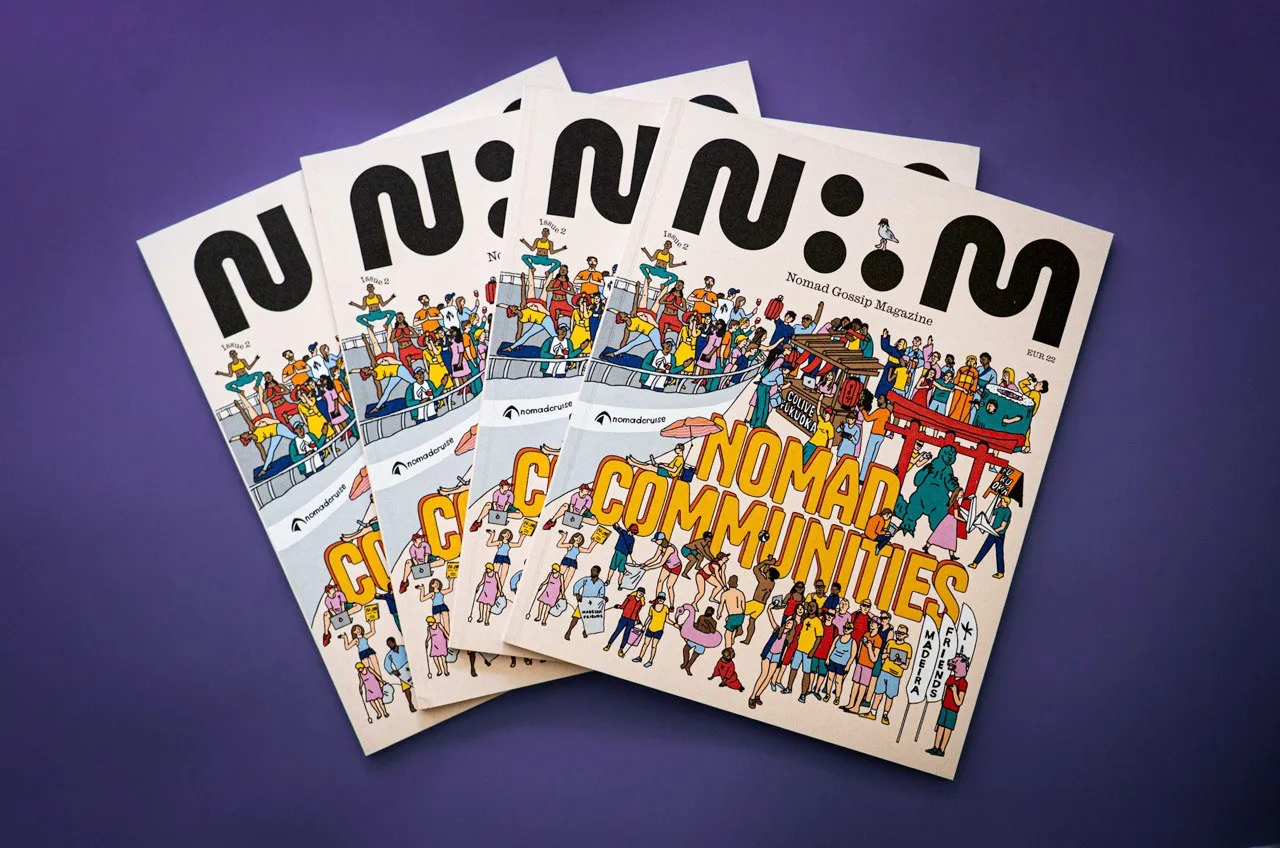
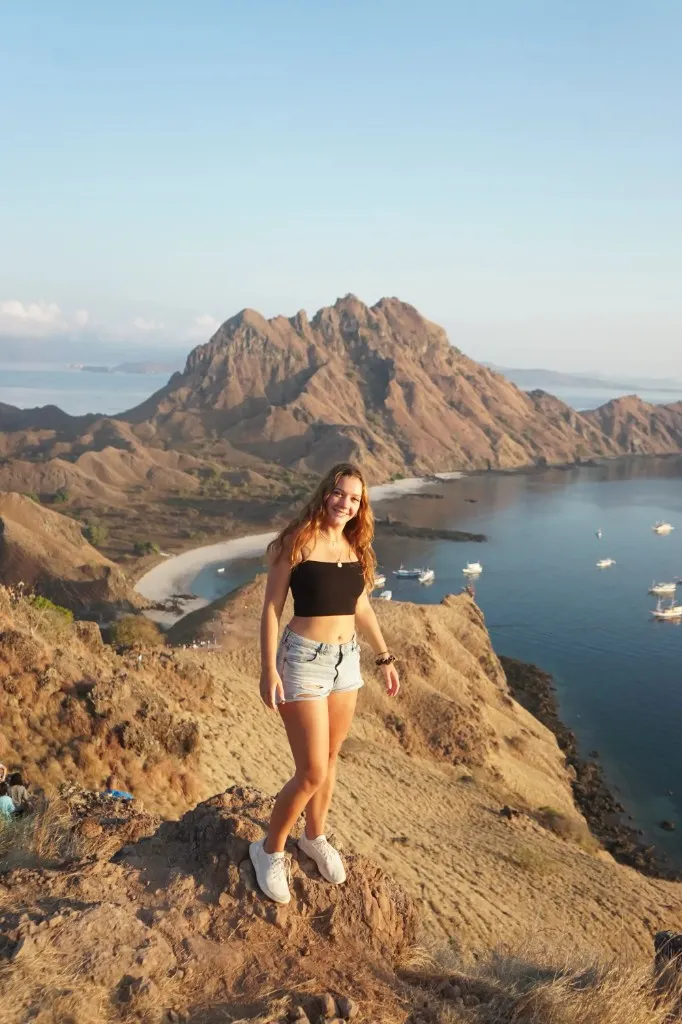
Personal story by Leonie
If you’re expecting a dramatic story as to how I became a digital nomad, mine is almost boring in how typical it is: a job I didn’t love, a breakup that pulled the ground out from under me, grey weather in northern Europe, and one recurring thought: I just need to leave for a while. I told myself it would be temporary. A few months. A reset. Enjoying life somewhere warm, then returning to Germany and being a responsible adult again.
Instead, I turned my whole life around: I flew to Bali, fell in love with the tropical vibe, and built a remote work setup that let me spend the next couple of years moving between Southeast Asia and Europe. I was living my dream, and I absolutely loved it. The friends, the places, and the new version of myself that I uncovered somewhere along the way.
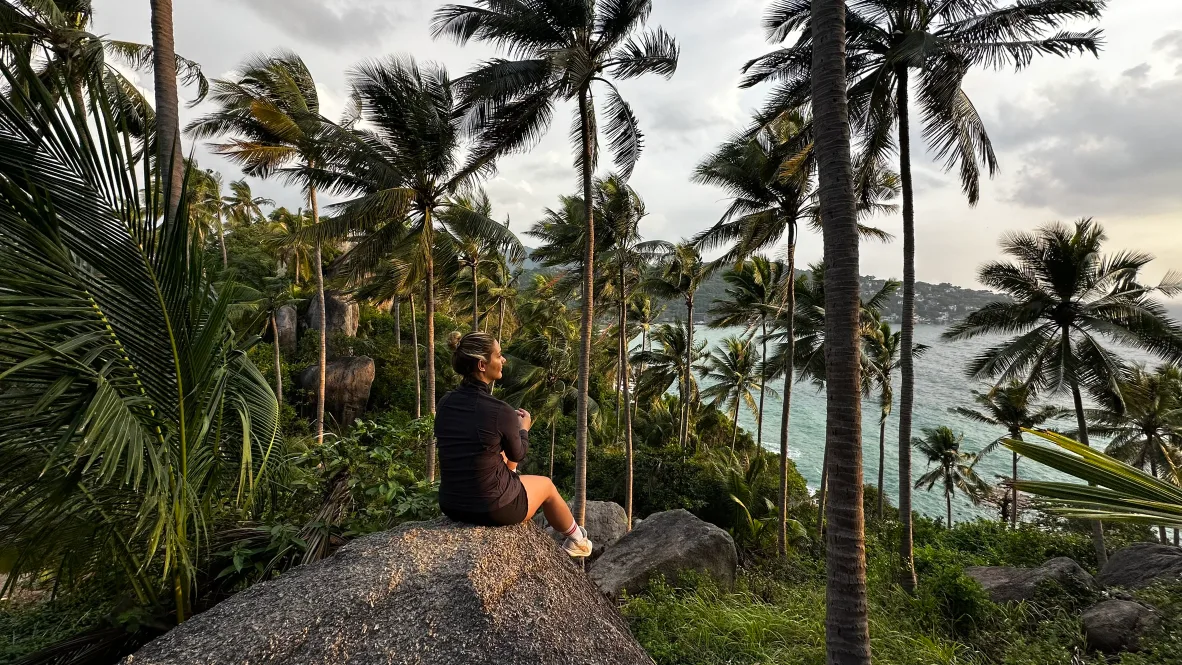
But I quickly realised that no matter where you are, there’s ups and downs to everything. After two years, I found that being free to travel anywhere I wanted came with a hidden cost. I didn’t just change locations frequently, I’d also had to restart my life over and over again. Every new place I visited came with necessary life-admin attached: finding a new apartment, a new gym, a new community, a new workplace, booking flights, adjusting to a different time zone, new SIM cards, travel insurance, and all the other tiny logistics around it. None of these are dramatic, but they can stack up over time and cause exhaustion. And after a while, the possibility of going anywhere I wanted, started to feel like managing a never-ending series of micro-decisions.
Building something to lighten the load
To help with the research needed to adjust to a new location, my co-founder Jonathan and I decided to create Nomadwise, a platform for digital nomads that aims to help when arriving in a new location by listing good places to work from, the best eSIMs in specific countries, travel insurance and other logistics related to the remote work lifestyle.
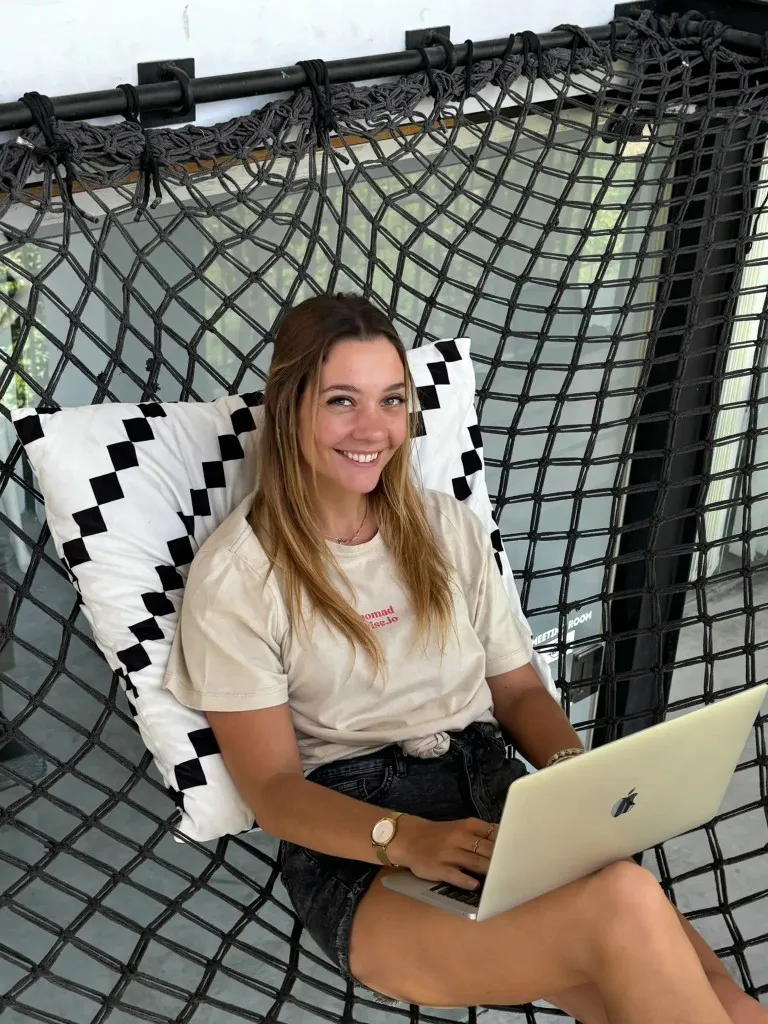
And it worked. We started getting messages from people saying they used Nomadwise to land in a new place and skip the usual trial-and-error week by getting the basics handled faster. What began as a small side project suddenly felt like something worth building properly. We were giving people back time and energy they’d otherwise spend on travel admin. Because of this, my relationship with my work changed from a means to fund my travels to something I truly cared about.
At the same time, trying to grow Nomadwise exposed a limit I didn’t want to admit at first. The lifestyle that once gave me freedom made it hard to focus on growing the project. I’d try to sit down with my laptop, but realised my head was already full of the admin I needed to sort for myself: the next accommodation, the next flight, and the next social reset. I noticed my productivity slipping, not because I didn’t like what I did, but because my mental capacity was already occupied with thoughts around my next destination.
Choosing a base without quitting the life
At some point, I had to admit that my priorities had changed. In the past 2.5 years, I’ve collected unforgettable memories and seen more places than I did in the 10 years before. It was exactly what I needed after leaving Germany. But I also knew that with my new goal of building a business, I was craving a different rhythm. I didn’t want less freedom, but I needed more stability. Which left me with the uncomfortable question: do I have to stop being a digital nomad in order to help other digital nomads?
For me, the answer wasn’t as extreme as it sounds: I didn’t have to stop traveling, I just had to change the way I lived the “nomad” life. I chose the small town of Ericeira in Portugal as my base, for now at least.
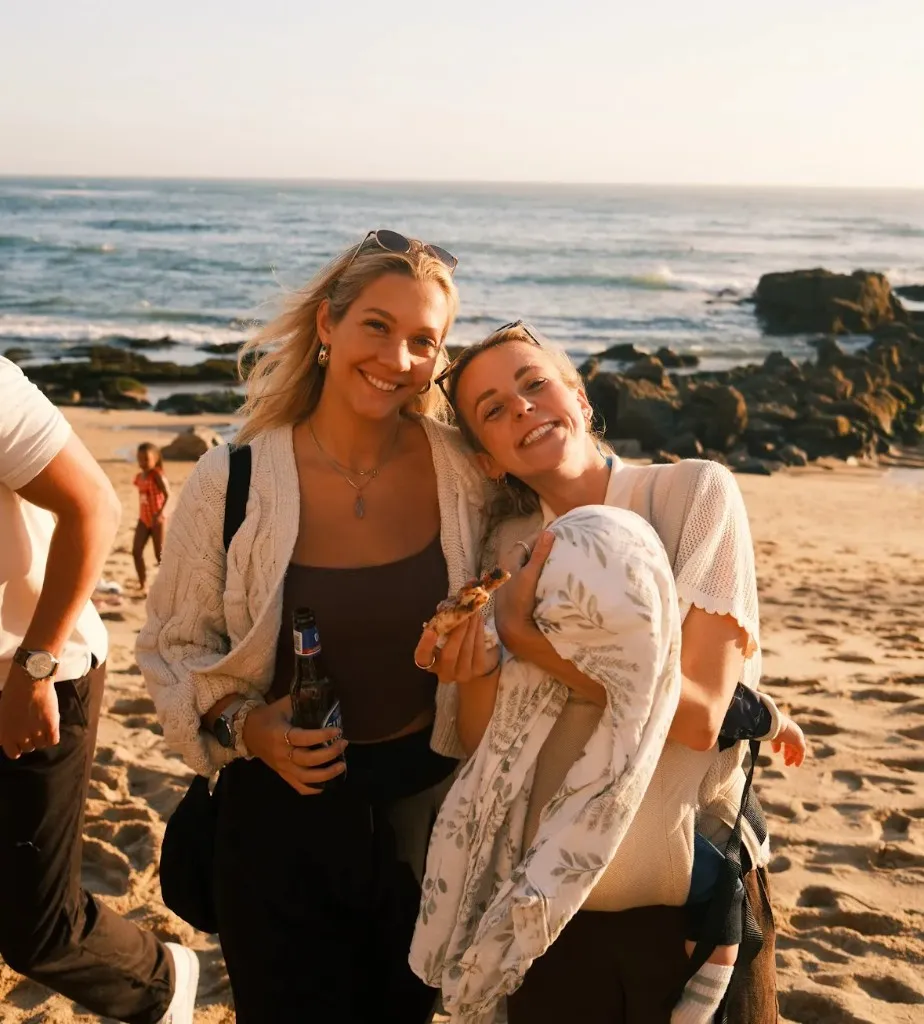
The transition wasn’t some big identity shift. It was small, practical upgrades: staying a month to test it out, coming back for 3 months next time, and then suddenly renting an apartment long-term. I started creating a routine I really liked, making friendships that could deepen, and, step by step, built a place I could return to.
Do I miss travelling full-time? Mostly I miss being in a tropical country in January and that “anything can happen” energy I often experienced on random days. But I also love the calmer version of working remotely, because it gives me space to build. These days I think of myself as a part-time nomad: I will travel again towards the second half of the year for a few weeks or months, and then be able to come back to a place that feels like mine.
What I’ve noticed at this stage
If you’re in a similar headspace as me, this is what I’ve noticed many nomads do at this stage:
- Slow down without settling: you don’t need a 5-year plan, instead, stay longer in a place you like and see what happens.
- Choose a base: keep your ability to travel, but create a space you can always come home to.
- Go seasonal: travel on bigger trips once or twice a year, and keep routine the rest of the time.
- Redefine the label: treat digital nomadism as an option you can use, not a rule you have to follow.
Digital nomadism is often defined by movement: how many countries, how often you relocate, and how far you go. The reality is that most of us will slow down eventually. That’s normal and doesn’t mean giving up on our freedom. We can still call ourselves digital nomads.
To me, the core of digital nomadism isn’t constant motion. It’s freedom of choice, the ability to design a life that serves me, and redesign it when I feel like it. So if you’re in the phase where the excitement of destination hopping is fading and you’re questioning if the travel lifestyle is still for you, you’re not alone. You might just be ready for the next chapter of your nomad journey. Not retiring, but evolving.
Personally, it took me almost a year to listen to that growing feeling of craving a home. And when I finally decided to act on it, life started to feel light again. Not because I stopped being a digital nomad, but because I chose the right version of life for me at that time.
And that might be the real point: digital nomadism is an experience, not a lifelong obligation. You’re allowed to step in and out of it however often you like.
About the author
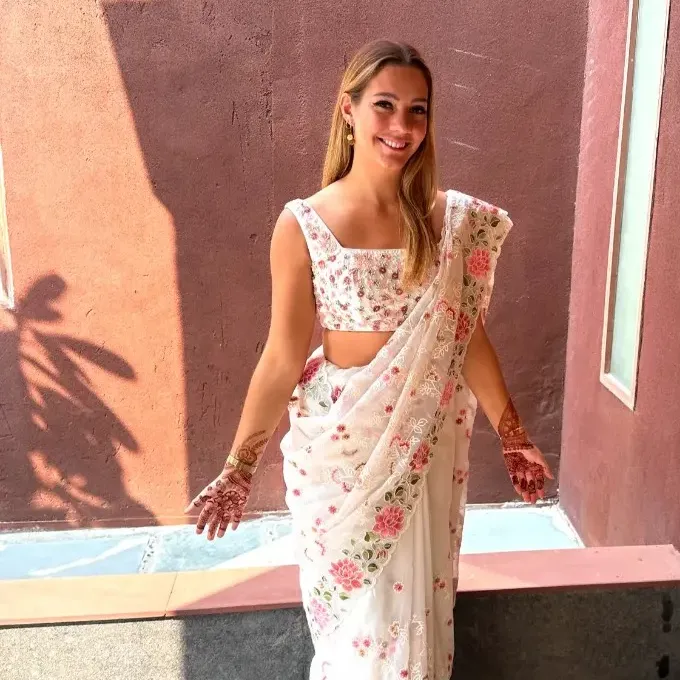
Leonie is a freelance project manager and co-founder of Nomadwise. She began working and studying remotely during the Covid pandemic and transitioned into full-time nomad life in early 2023. Today, she splits her time between Portugal and trips around the world. For Leonie, the ideal perfect place to live is near the beach, surrounded by like-minded people, and within easy reach of a bakery serving excellent croissants.