Essay by Priyanka Surio
Mother of a Nation
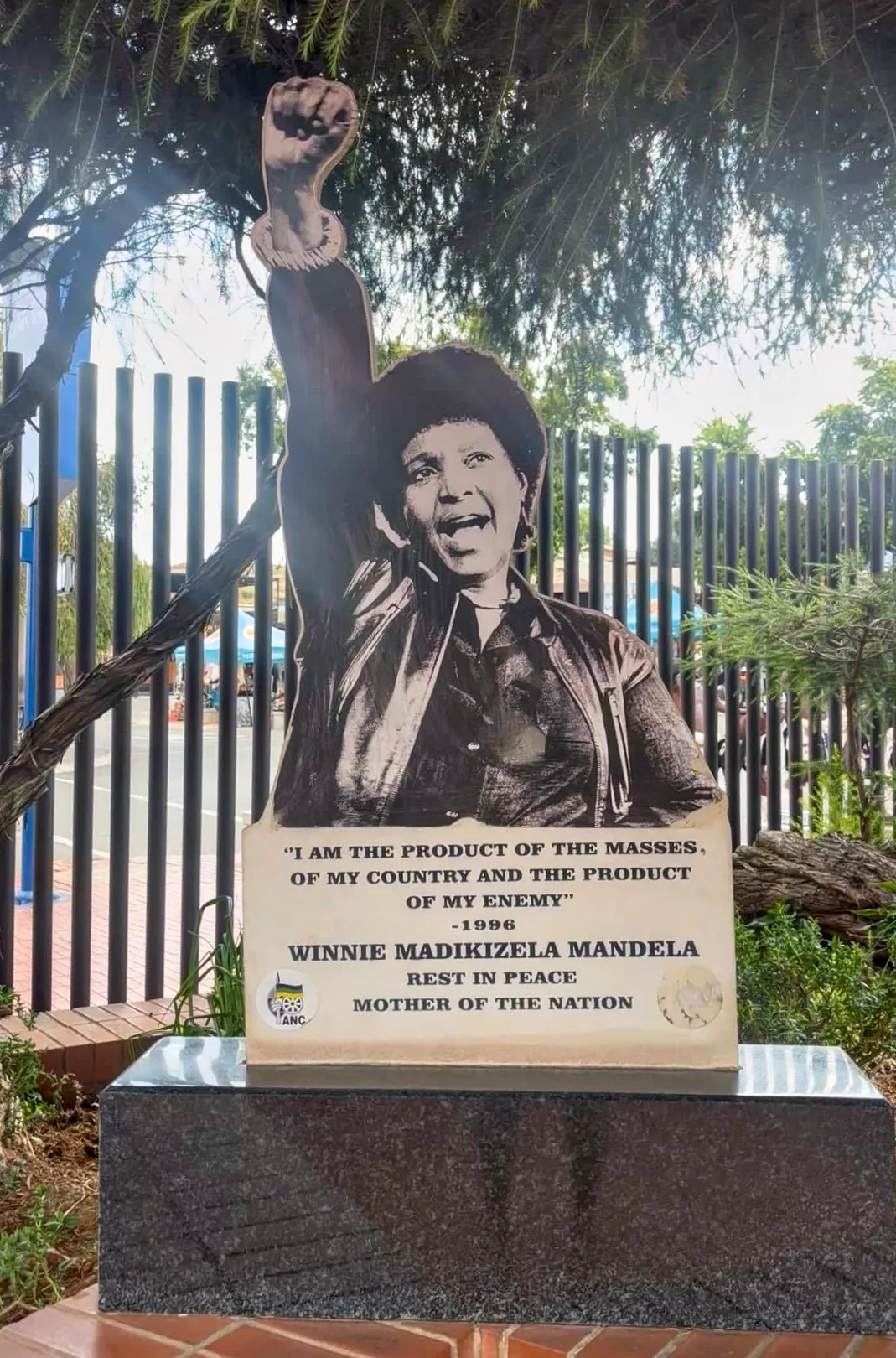
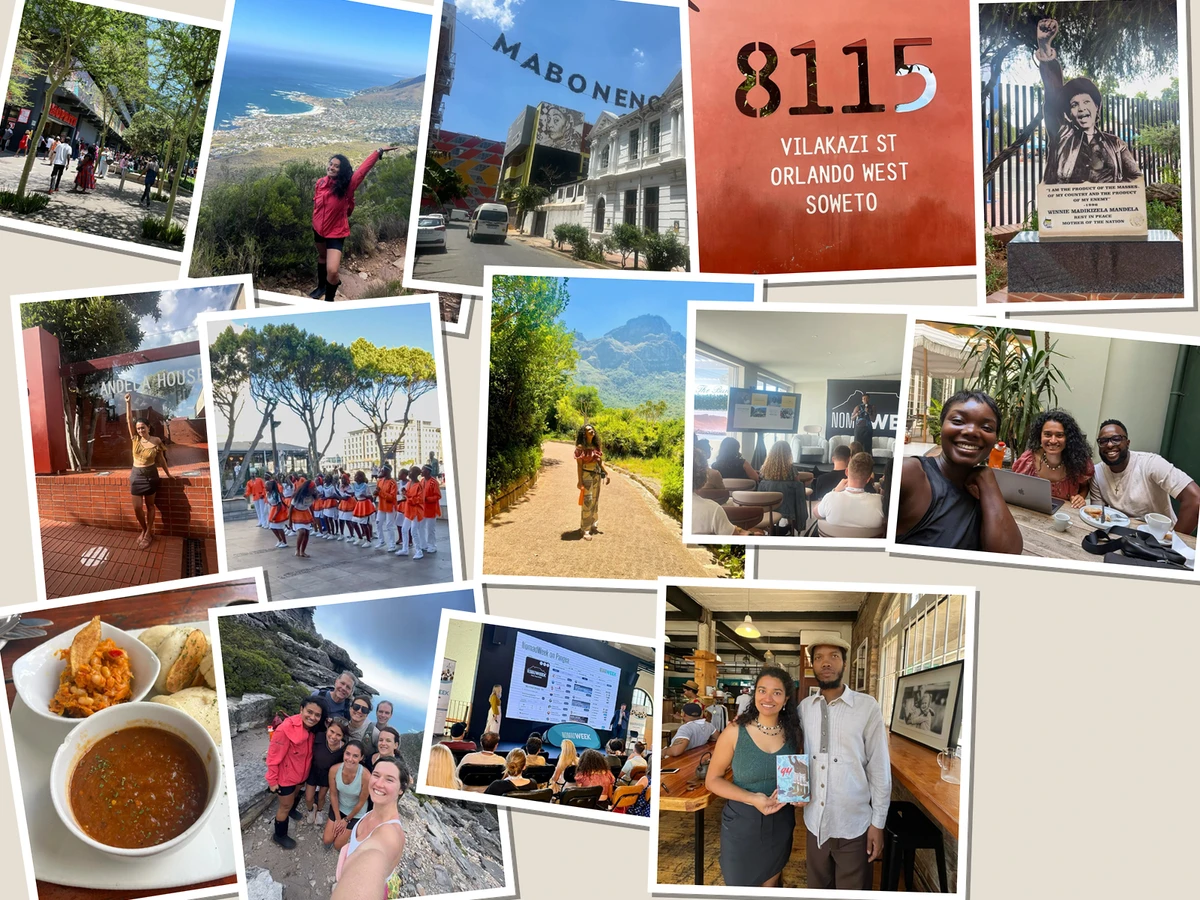
While visiting the Soweto township of South Africa, a monument of a woman caught my eye with the inscription “I am a product of the masses of my country. I am the product of my enemy,” underneath. This famous quote stated by the Mother of the Nation, Winnie Mandela, is paired with a photo of her fist raised high in the sky and a spark in her eye, characteristic of her firebrand activism. We’ve all heard of the changemakers Desmond Tutu and Nelson Mandela, but how many of us know of Winnie’s trailblazer life?
I observe similarities between Winnie the trailblazer activist and nomads for the bold and brazen life they choose; it is unconventional, challenges the status quo, makes people a little uncomfortable and inspired at the same time, and is a global movement (literally and metaphorically).
Wakanda Forever
As 2026 started, I didn’t initially have South Africa on my list of next places to visit, but with an invitation to attend Nomad Week and an opportunity to connect with African founders, nomads, and entrepreneurs, I could see the nexus between the energy of South Africa’s revolutionary history and the nomad revolution that had exponentially grown since the pandemic.
Each time I have the privilege of visiting the continent of Africa, my intentions are always the same: to listen for understanding about our origins, to forge deeper connections with Africans, and to contribute meaningfully. From my first visit over 10 years ago to Ethiopia to my latest visit earlier this year, inclusive of South Africa, Mozambique, and Ghana, the diversity, cultural richness, and energy “never gets old,” to quote the late Chadwick Boseman who plays T’Challa in the Black Panther.
Black Panther is a film centered on T’Challa, a prince and powerful warrior known as the Black Panther who inherits the throne to Wakanda after the tragic death of his father. Wakanda is a financially and technologically advanced African nation that intentionally hides itself from the outside world to protect their precious resource of vibranium, which is used to power their technology.
The feeling of seeing a thriving and progressive Africa, as we do in Wakanda, is something I’ve witnessed on all my trips to the continent, and especially visible in South Africa’s tech startup and entrepreneurship scene. The language used in the Black Panther, isiXhosa (Xhosa) from Bantu origins, is one of South Africa’s 11 official languages. You read that right, 11! The actor playing King T’Chaka, or Black Panther’s father, is South African, John Kani, who championed its use to add authenticity and set a powerful tone for the depiction of an unconquered African nation.
To my delight, I saw on the Nomad Week agenda that we would be participating in an isiXhosa language and culture workshop from Buntu Matole, and during the session, I got in character as I practiced the dance of tongue and teeth to make the clicking sounds that are characteristic of this language.
Nomad Week Recap
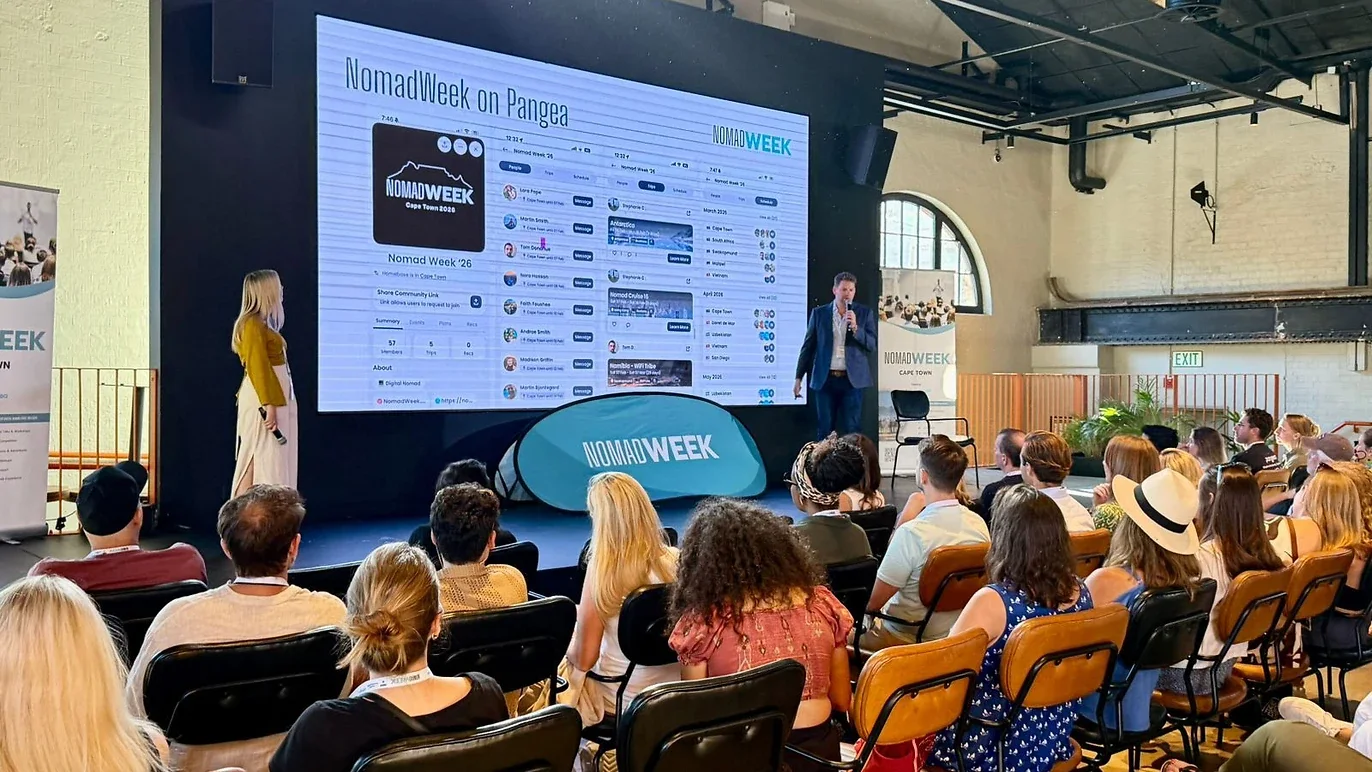
But there’s more to South Africa, and Nomad Week, than a nod to the Marvel series. During the opening welcome ceremony, I had to step outside to take a work call, part of the perks of remote working while traveling, and went to a nearby hotel lobby. Afterwards, I walked back to the venue, the Timeout Market, near the Victoria and Waterfront area in Cape Town, and heard the most melodious choir belting Zulu words with such joy. I know a few Zulu words from my deep appreciation for Amapiano, a staple musical genre hailing from the streets of Johannesburg (Jozi) or Pretoria, as per the friendly competition amongst provinces on its origin story.
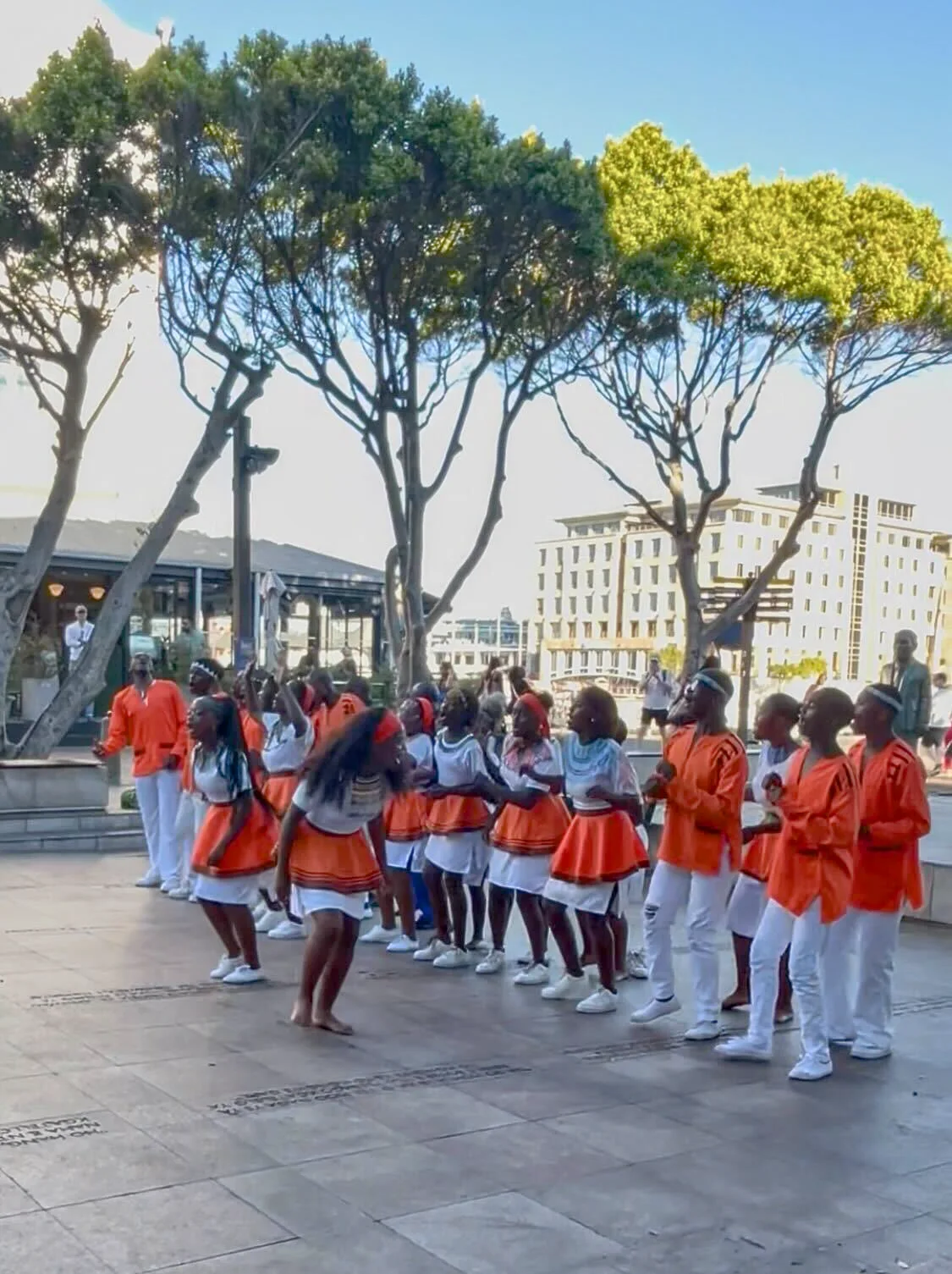
As I got closer, I could see a large crowd gathered around in a circle witnessing the rhythmic movements of the talented dancer singers. The week was already starting on a beat, and I was ready to embrace its rhythm in my soul. I went inside and saw that an African dance class was taking place for the nomads to learn some of the basic moves. In that moment, I also witnessed an interesting dichotomy of separation between the black KwaZulu Natal South Africans outside and the majority Western and European nomads inside. I shook the feeling as I swayed to the cacophony of sounds outside and inside.
The dichotomy or ‘foreigner bubble’ which I was witnessing, is something that Timeout Magazine’s City Editor, Selene Brophy, and the organizers of NomadWeek, Pangea Founder Matt Gray, and Work Wanderers Founder Andrea Smith, spoke about breaking through in the coverage leading up the week. I was eager to see how this would play out as sometimes intention doesn’t always mirror reality or what happens in practice, especially since there are so many other participants and nomads who may not be aware of or consider these things.
During the welcome, I had an opportunity to meet the marketing manager for Timeout, who spends time traveling around South Africa and grew up between worlds as a South African diasporan from the United Kingdom. We easily flowed into deep conversation about building trust and choosing peace over violence, an undercurrent of theme that was not lost on me having done my research to uncover the truth of South Africa’s history with apartheid.
Apartheid is institutionalized racial segregation, which existed in South Africa and Namibia from 1948 to 1994. We still see forms of apartheid today in different countries where conflict remains at their “borders”. The next few conversations I had that night were filled with deep connection with Akua Senchery, a Ghanaian American who has been nomadic for several years and focuses on empowering the tech talent across Africa, and Tuta Nangolo, a Namibian founder of Kamatjona, a sustainable traveling company which also offers co-living spaces in Windhoek and adventure tours in Namibia.
With a desire to also expand my network and community to other nomads who are not African, I participated in the speed networking round, meeting up to 30 different attendees who were in various stages of their nomadic journey from about to start to over two decades. I could relate to some of the similar lifestyle choices and parameters of finding good Wi-Fi and spaces to co-work around the city. I also observed that many of the attendees already knew each other from other excursions or group travel experiences like Remote Year, creating a bit of an inner bubble that at times was difficult to penetrate.
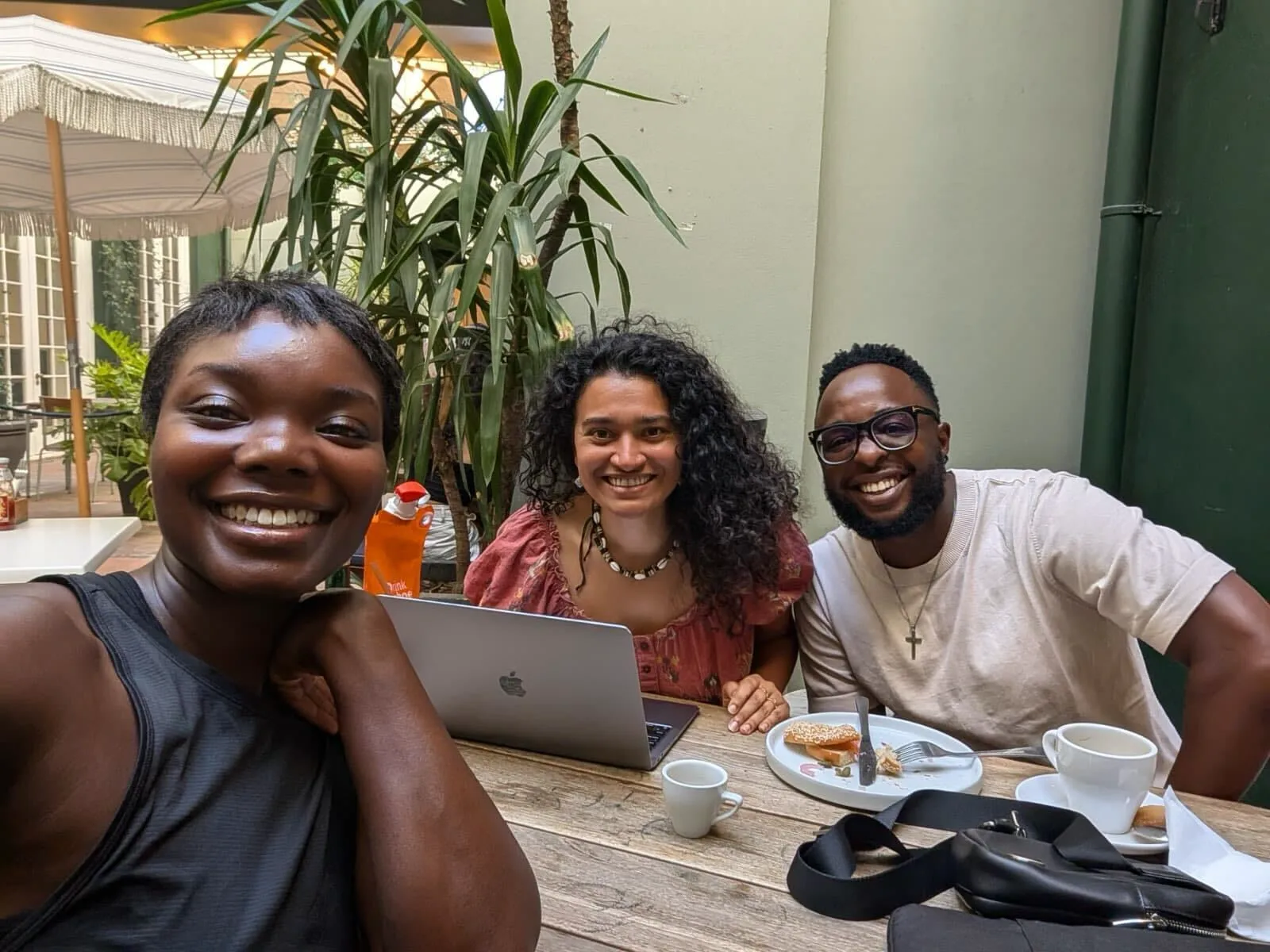
Nonetheless, I remained open to all the connections I made but found it easiest to connect with other first-timers or nomads who had not traveled within these groups and had pieced the nomadic lifestyle on their own. I recognize that I am biased as a mostly solo nomadic traveler myself, who chooses destinations based on personal global connections around the world or other purpose-driven intentions such as deepening relationships with sustainable or regenerative leaders. But my experience is not a siloed one, as the others I spoke with also mentioned some of these dynamics.
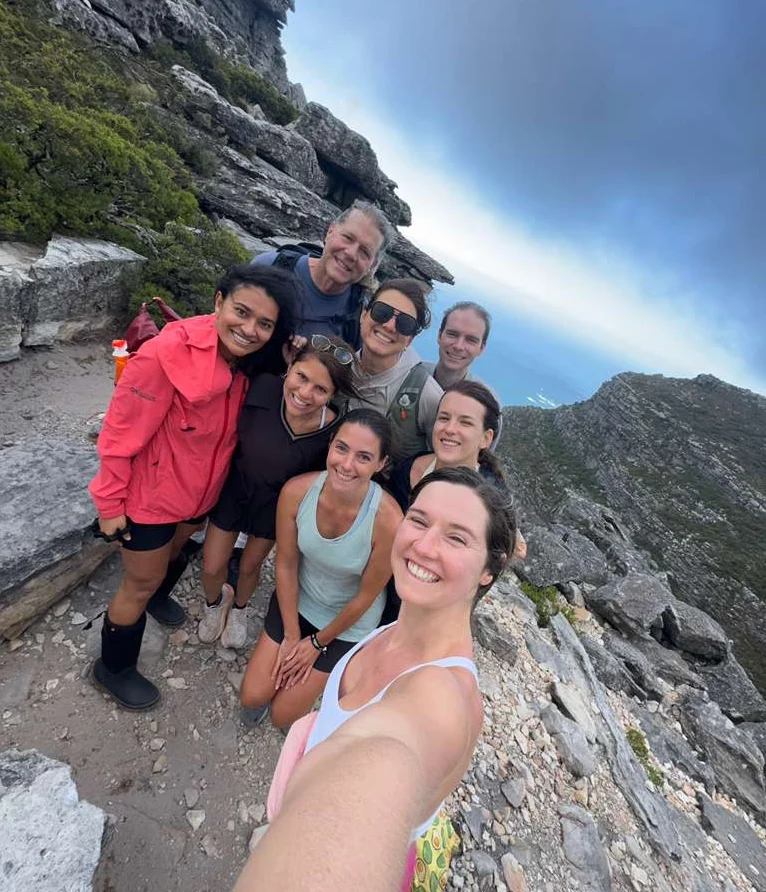
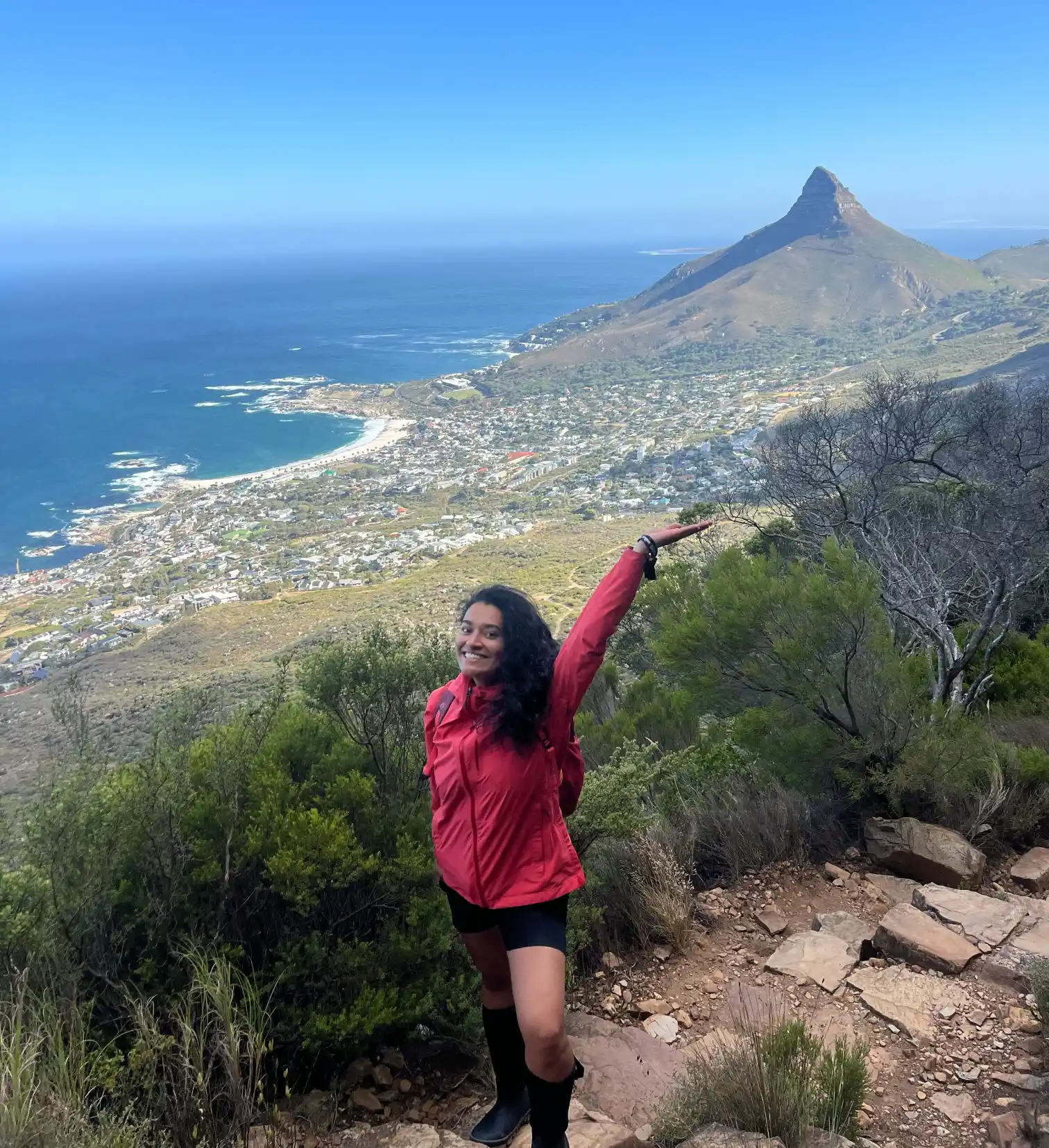
The setting was stunning and always pleasant, with sun, ocean spray, and the Table Mountain range an ever present backdrop to the different workshops we participated in to include connecting with other nomads hosted by DeeplyNomad, learning about nomading across Africa from Tuta, hearing about Ghana as a rising nomad destination from Akua, participating in group hikes hosted by Lekker Hikes, and mindfulness meditations on the beach.
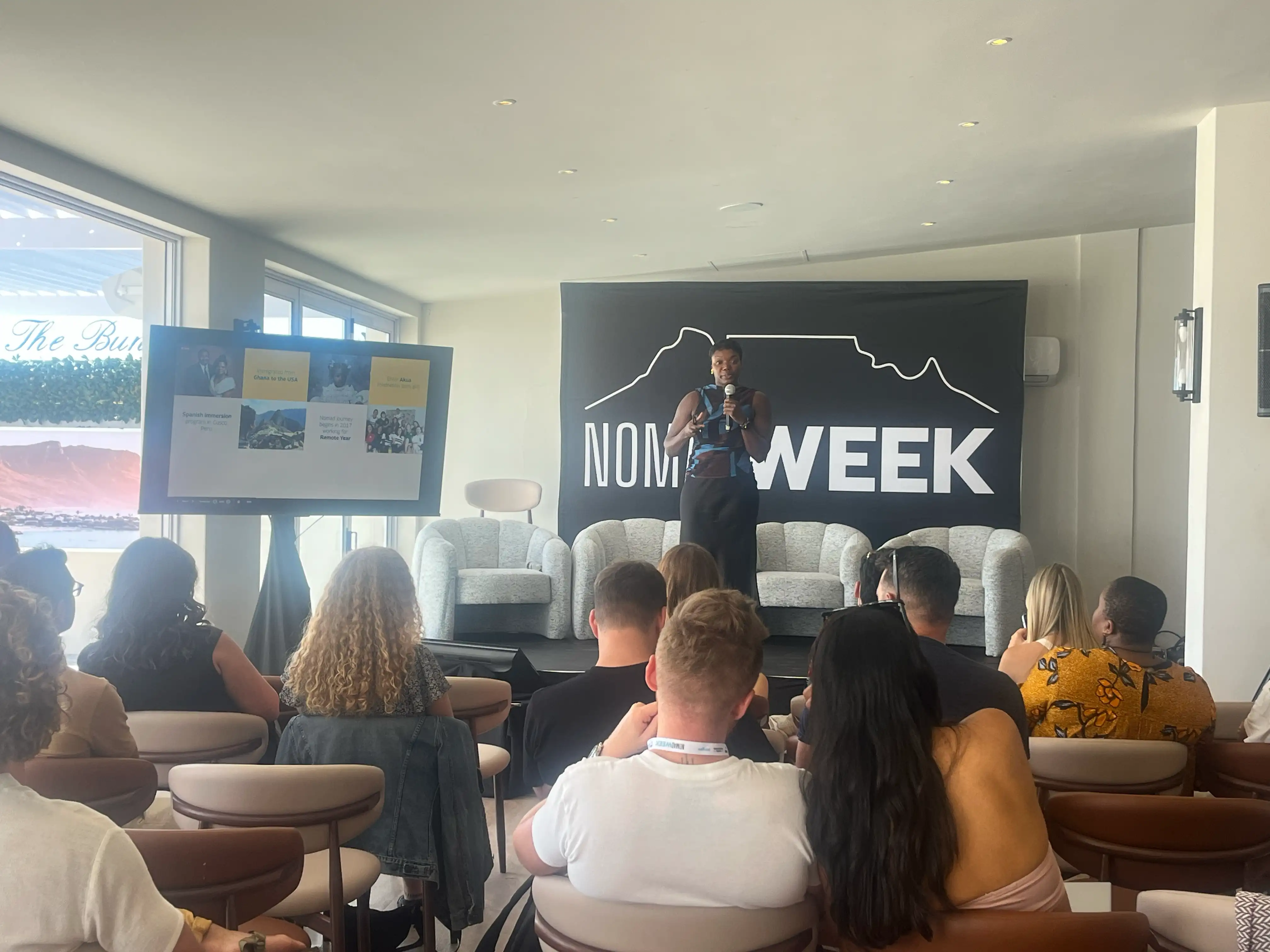
One of the highlights for me included the African Startup Expo where we got to see African startup founders pitch their startups. Having worked with startups and at a Venture Capital studio before, I was able to lend some insights and advise a few of the founders after their pitch. I even befriended a few founders such as Lluween, a South African, who later invited me to the Kirstenbosch Botanical Gardens where her father is a botanist, and Tirivashe (Tiri), a Zimbabwean-American, who would join me in Johannesburg over the weekend.
Maboneng, Place of Light
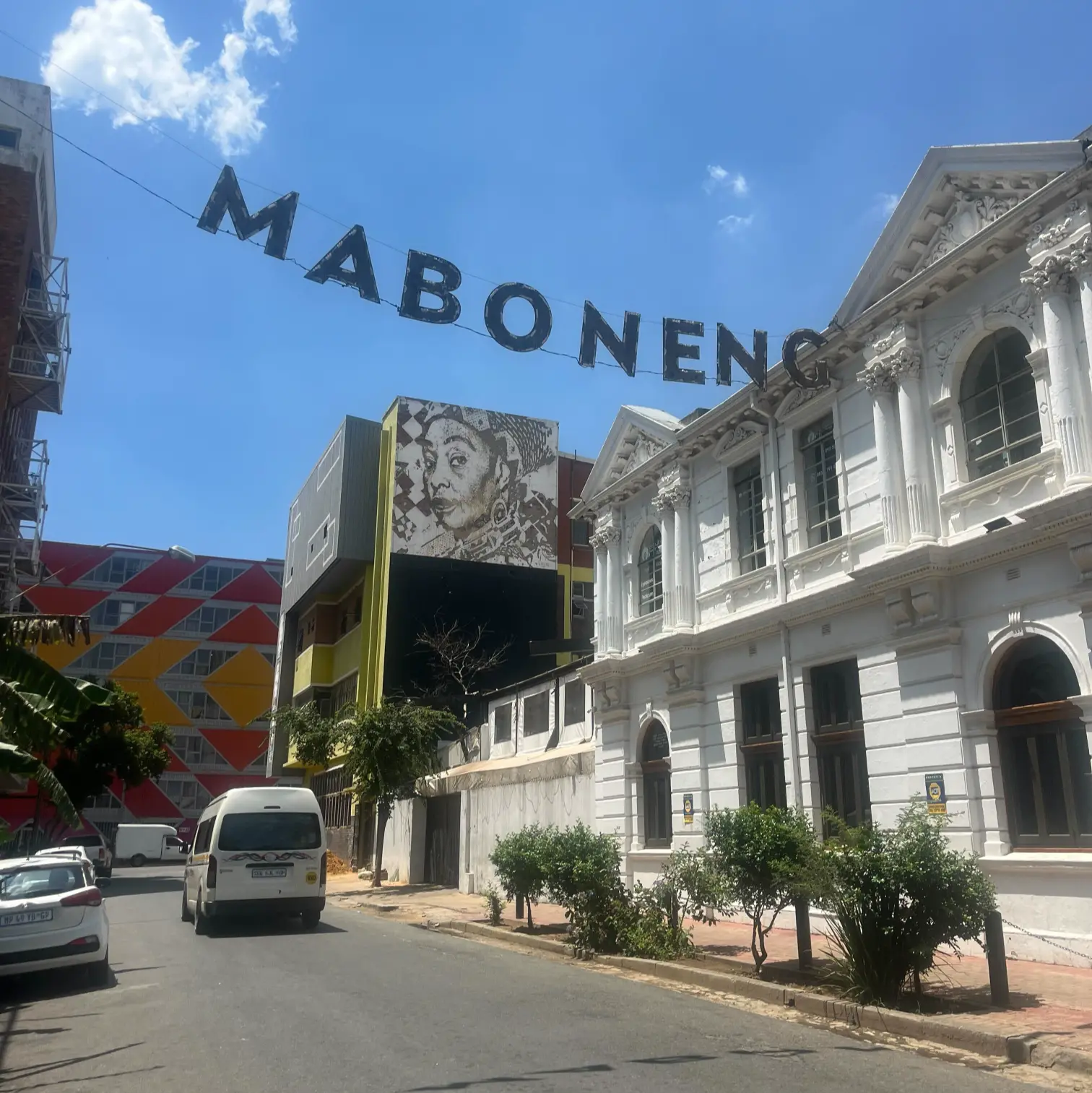
While Nomad Week included opportunities to connect and a few cultural experiences around language and a traditional brae (barbeque), it left me wanting more out of my time in South Africa. As if on cue with my personal dilemma of being both grateful and unsatisfied, the South African Tourism Board presented their promotional video, showcasing different townships and landscapes of South Africa, to the tune of a Zulu song that included the word Maboneng, a seSotho word meaning place of light.
One image flashed on the screen that spelled out Maboneng, and as I did some research, I learned that this was a cultural arts district in Johannesburg full of cafes, live music, Amapiano music, activism, and progressive thinkers. Wishing to stay in Maboneng, I started searching on the various booking platforms until I found Olle, a local South African diasporan splitting time in Europe and Johannesburg, who hosts several units in the Living MOAD on Airbnb. The Living MOAD is a mixed-use commercial and residential building inclusive of apartments, an art gallery, a bar, and restaurants.
Mindful Moment In the Garden
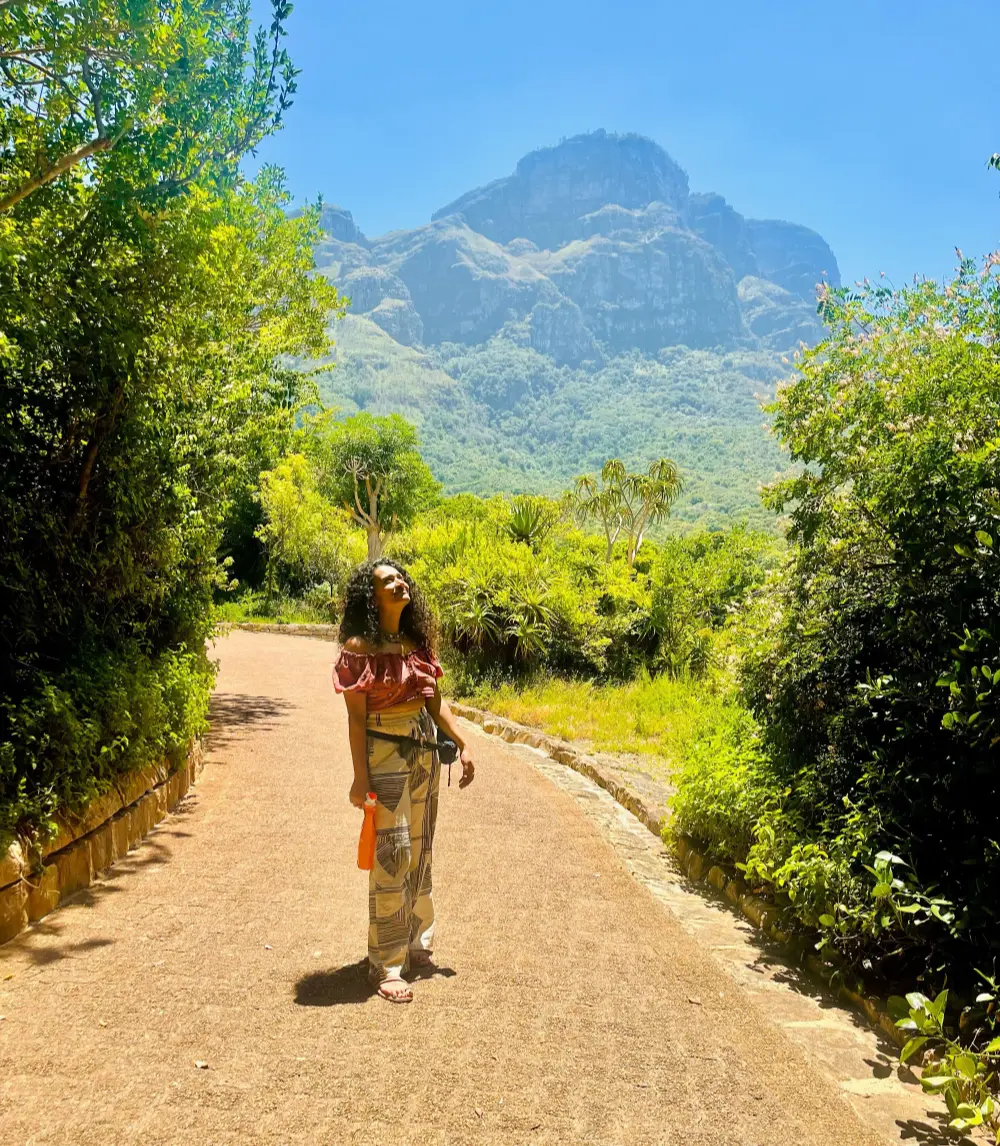
Before I left for Johannesburg, I went to see Lluween at her home in the Botanical Gardens. We were walking through a verdant, magical landscape of mountains, a strong South African sun making our skin glow, and every kind of flower or plant you can imagine. She knew her way around, waving to every worker along the way, and sharing about the plants she knew about, in addition to her family’s life there. We stopped regularly to take in our surroundings and literally smell the flowers. It was a highlight of my week to be invited and I’ve continued to keep in touch with Lluween, anticipating the day I’ll return to the gardens, perhaps this time for the summer music series on the great lawn.
Please Don’t Stop the Amapiano Music
It’s almost 10pm when I arrive in Johannesburg and as we pull up to Maboneng, there’s nonstop Amapiano playing. I had to work that evening, but after my last call, I walked across the street to the local nightclubs, bars, and music cafes to let my soul and feet dance. The next morning, I slept in, but awoke to the beats and bass of Amapiano once more. I thought two things:
- Johannesburg is a city that never sleeps, New York who?
- This is what they mean by the phrase “heartbeat of a city”
Feeling the heartbeat, I am energized to explore the city and meet up with Tiri, who I met a few days before during the African Startup Expo. Beyond the beats in the streets, there are also artivists at every corner with street art, activist poets doing spoken word at cafés, and Zulu being spoken a majority of the time. You will feel, see, hear, and know that you are in the KwaZulu Natal region.
I met a few remote workers who were lounging around the outdoor green spaces or cafes. As we chatted, some said they couldn’t concentrate with the music playing. After exploring a few other surrounding areas in Johannesburg, my recommendation would be to find a café a few streets down from the main Maboneng precinct or in the neighborhood of Rosebank, to include Grate cafe or the coworking space, MESH Club.
Later that night, Tiri and I walked from jazz club to restaurant to pool bar club – yes it’s exactly what it sounds like: a pool with a bar and restaurant with a DJ spinning Amapiano and Afrobeats. Music was embedded in the streets, in the people passing you, and in your very soul.
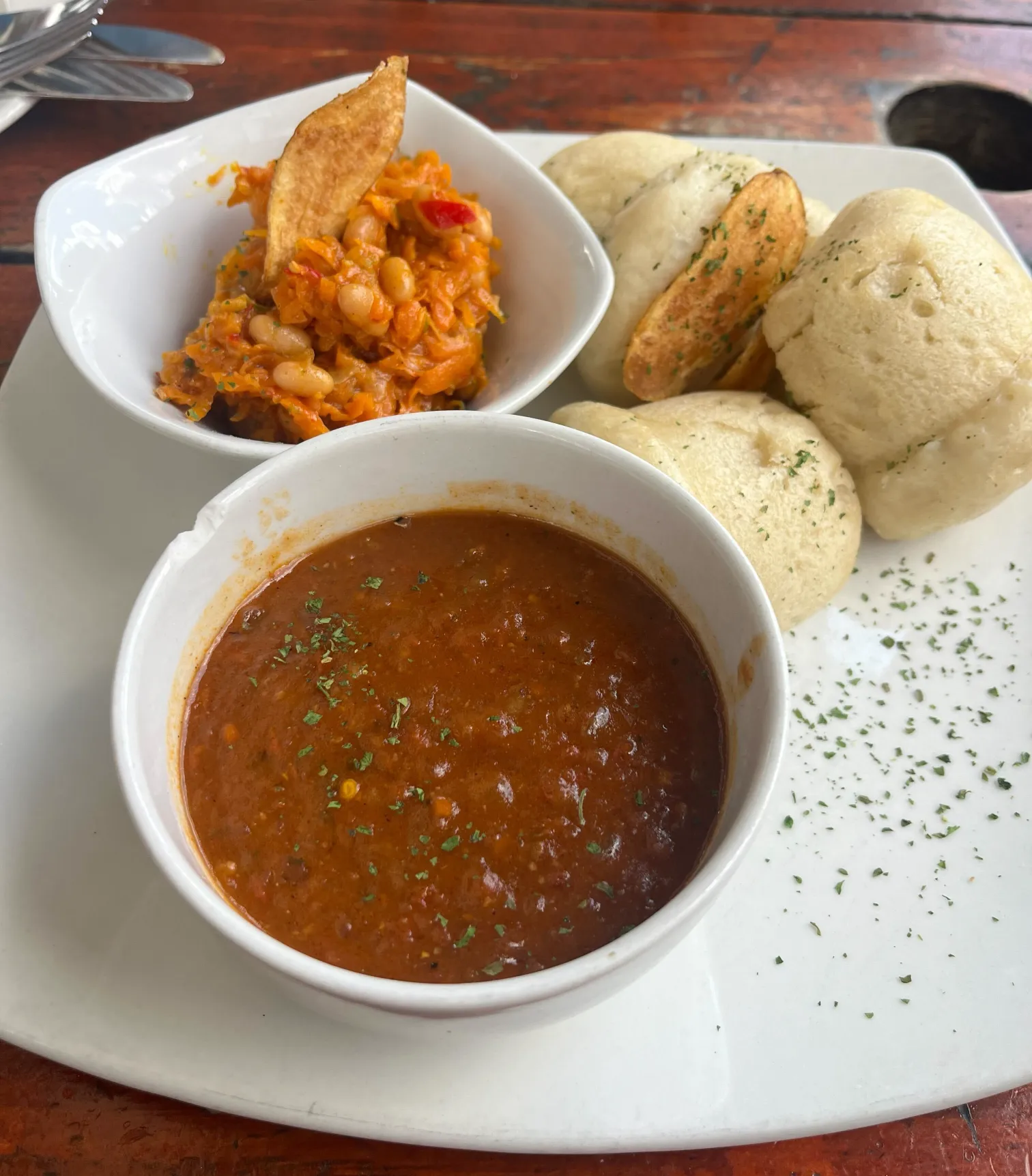
The next day, after some much needed rest, we went to Soweto for a traditional South African style Zulu dish, drank our bissap juice, and walked through the historical neighborhood, stopping at Nelson and Winnie Mandela’s house. We often hear so much about Nelson, but the house, which is a museum, included more about Winnie’s life as she physically spent more time at that location during Nelson’s imprisonment. A true hero, we learned how Winnie remained steadfast in breaking the cycles of apartheid, discrimination, and economic inequality even when tortured, imprisoned, humiliated, and alone.
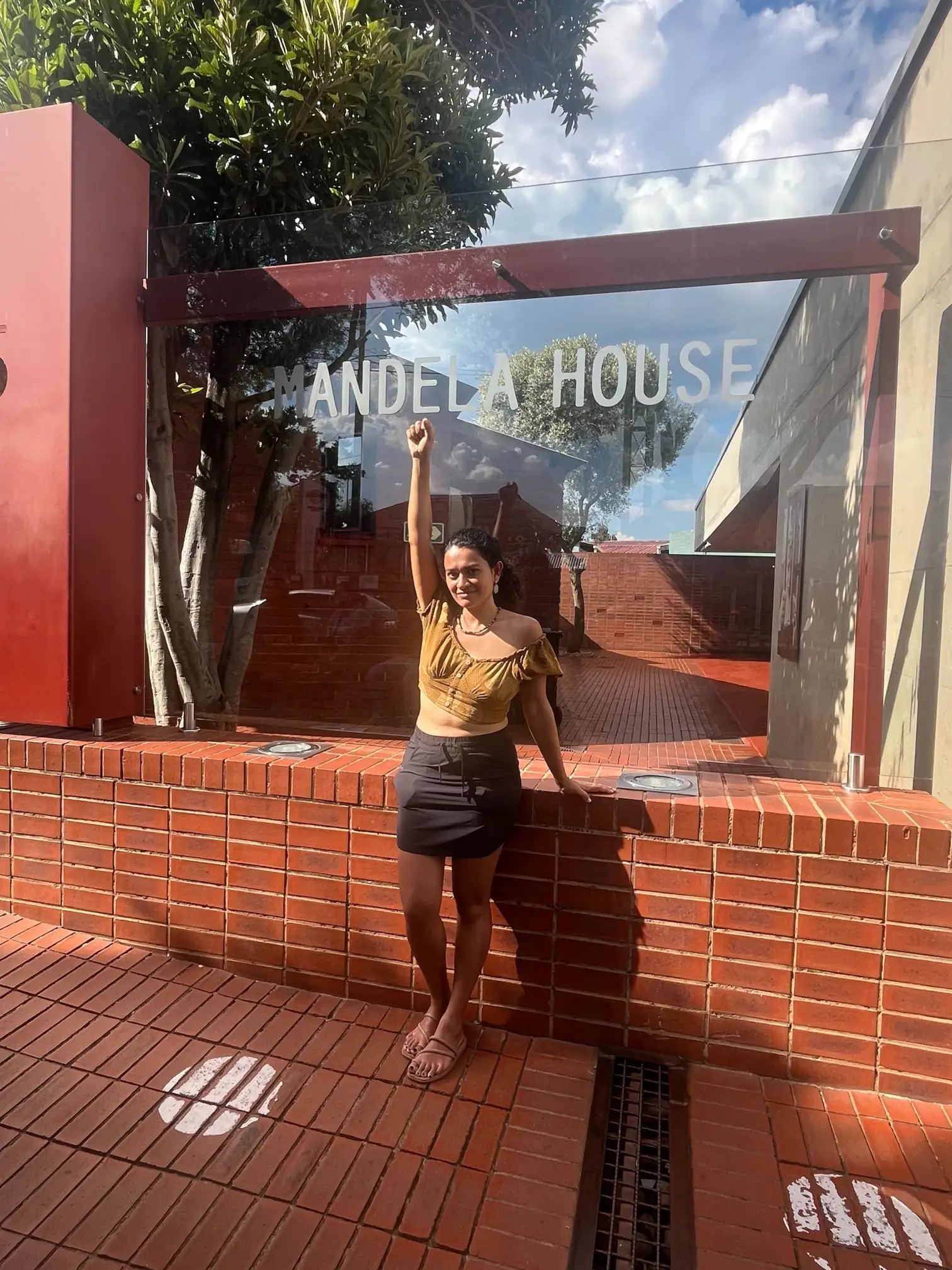
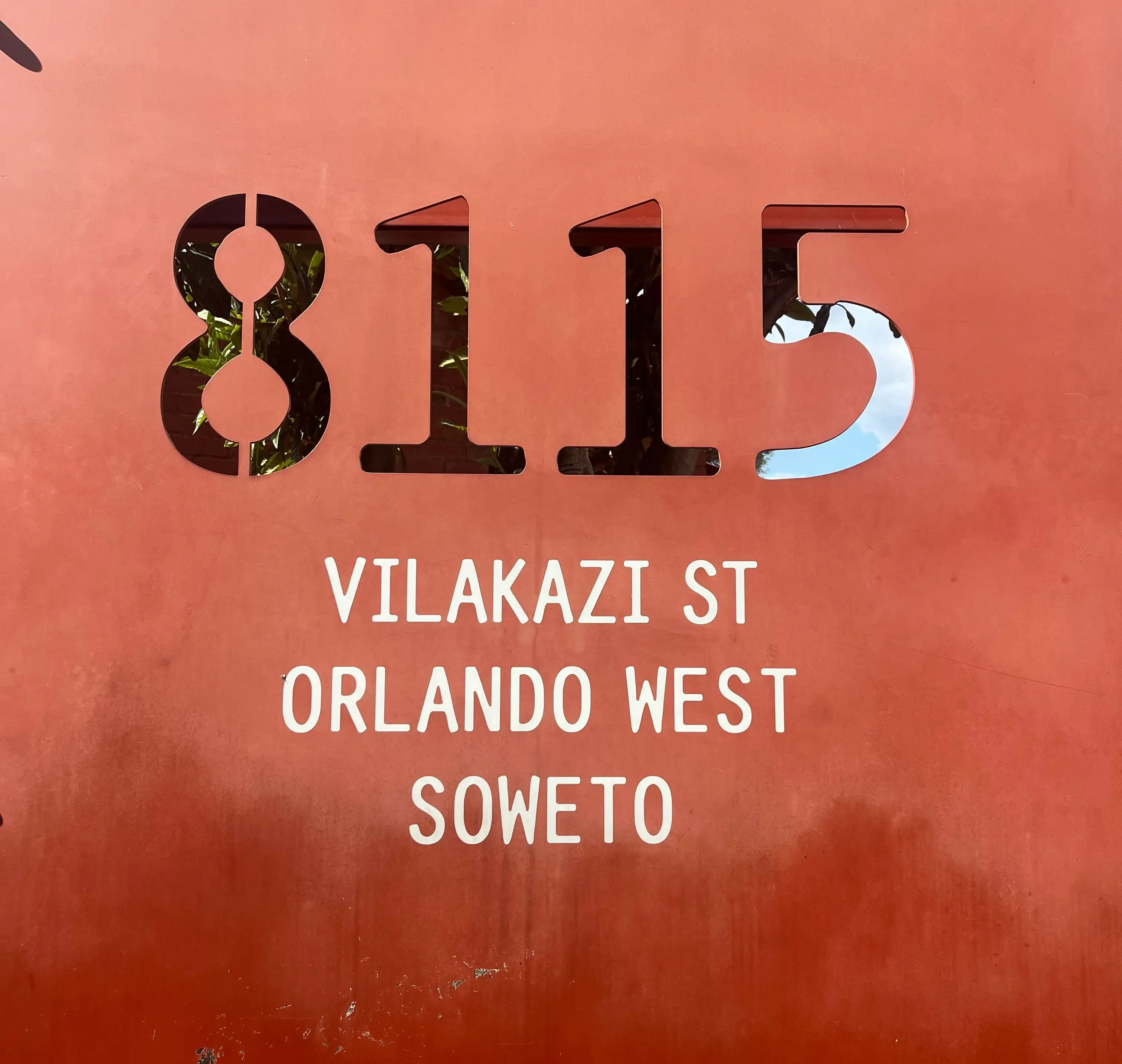
What Would Winnie Do?
If Winnie Mandela were around today to witness the influx of high-earning remote working professionals who unintentionally contribute to the housing affordability crisis, creating tension with local communities, I doubt she would be celebrating us and instead rally a group of women proclaiming that with a “box of matches and our necklaces, we will liberate this country.” From what? The insidious nature of post-apartheid upholding unequal systems of oppression and injustice.
Winnie was all about community, so I do think she would approve of my intentional approach to connection. If I had to distill my story of connecting during Nomad Week to other nomads visiting South Africa or any other African country, it would be to go out of your comfort zone and with intention, connect with those who have an ancestral or ethnic relationship to Africa. This is a surefire way to ensure authenticity, immersion, and a grounded understanding of the deep-rooted colonial history that is tied to many of these destinations.
For the connections I made that have stood the test of two-months removed from Nomad Week, we are able to relate on more than just a lifestyle choice, we celebrate in our shared love for the continent of Africa, for the cultural moment that is Africans thriving and progressing, and for the beauty of travel which has brought us together.
Outside The Bubble
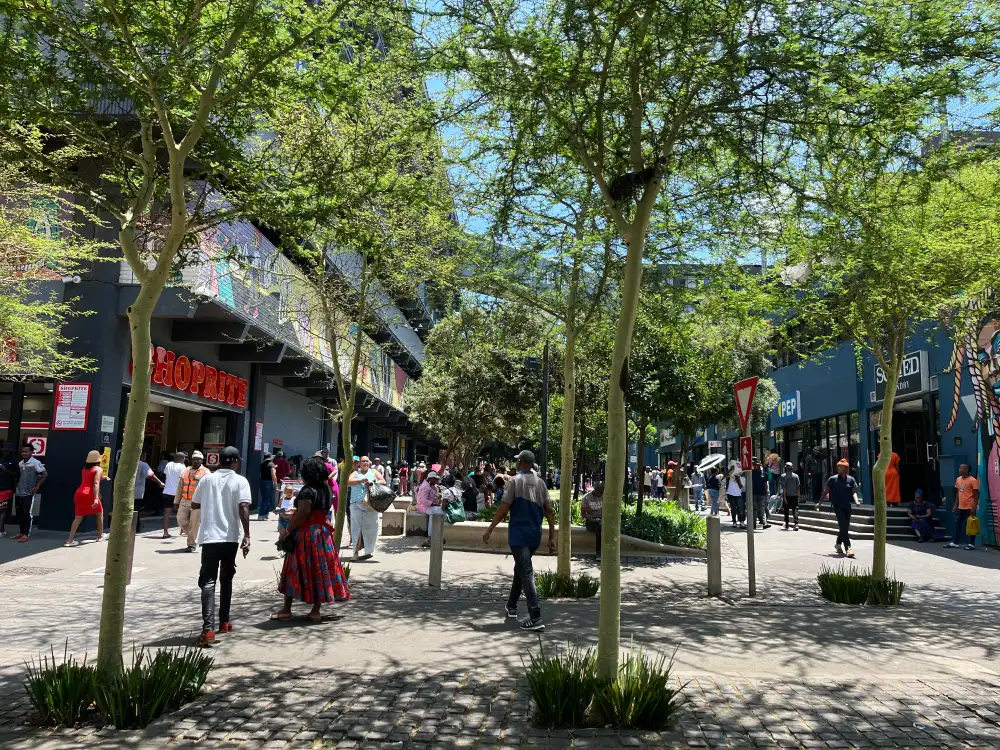
I often find that with organized events or conferences, most attendees stay within a bubble, not unlike university students on a college campus.
I always considered the nomadic lifestyle to be one that goes outside of this bubble because of the fact we constantly go out of our comfort zones visiting, traveling, and living in places and cultures that are different from our own.
If we are simply living in the same style or around the same kinds of people that we would anywhere in the world, how much are we really understanding about life in that country, especially a place so juxtaposing as South Africa? How much are we understanding about the darker history of colonialism and capitalism still playing out today with the economic divides between locals in neighboring townships around Cape Town and the foreigners who make enough to rent at higher prices or buy property there, thus driving up the cost of living.
If we challenge these norms first in ourselves and then across the digital nomad community not to judge or shame, but to hold ourselves accountable to being more responsible with this privilege, we will begin to see that things look different, feel different, are more African, and English is not a dominant language heard on the streets.
Isn’t that after all the point of travel in the first place?
Tipsheets
I leave you with a few distilled tips, both for safety and for continuing the revolutionary path of the nomad!
Revolutionary Actions for Nomads
- We chose a nomadic life to challenge the status quo; we should bravely continue that in our travel, nomadic community, and lifestyle choices.
- Contribute to places we visit and seek opportunities to deeply and authentically connect with locals and those with an ancestral connection to the continent of Africa.
- Seek not to recreate what we have at home in each new place but rather embrace getting out of our comfort zones.
- Embrace the authentic places where they don’t speak English and retain the historical architecture. Assess whether you are contributing or combatting the harms of gentrification.
Safety 101
Considering the context of the stories we might hear in the media or from others, it’s important to set the record straight about safety in South Africa while providing tactical, practical tips for staying safe when going out or traveling solo. There are some more dangerous areas in Johannesburg and Cape Town, usually at night, and following these tips can ensure you have a fun and safe time.
- Go in groups or with a local if you can (either befriending one or through a guided tour)
- Don’t flash what’s flashy
- Stay in vetted and verified places
- Stay somewhere walkable so you can easily get to and from your accommodations and are less likely to become stranded or lost
- Leverage official tourism agency recommended experiences or guides
- Be mindful of street food and how it is prepared, how long it’s been sitting out, and how you are trying it (lean on local friends to help navigate)
- Act like you’ve been here before in the way you walk, navigate, and carry yourself with confident presence
Travel Like a Local
- NIROX Sculpture Park
- Home of the Bean Cafe
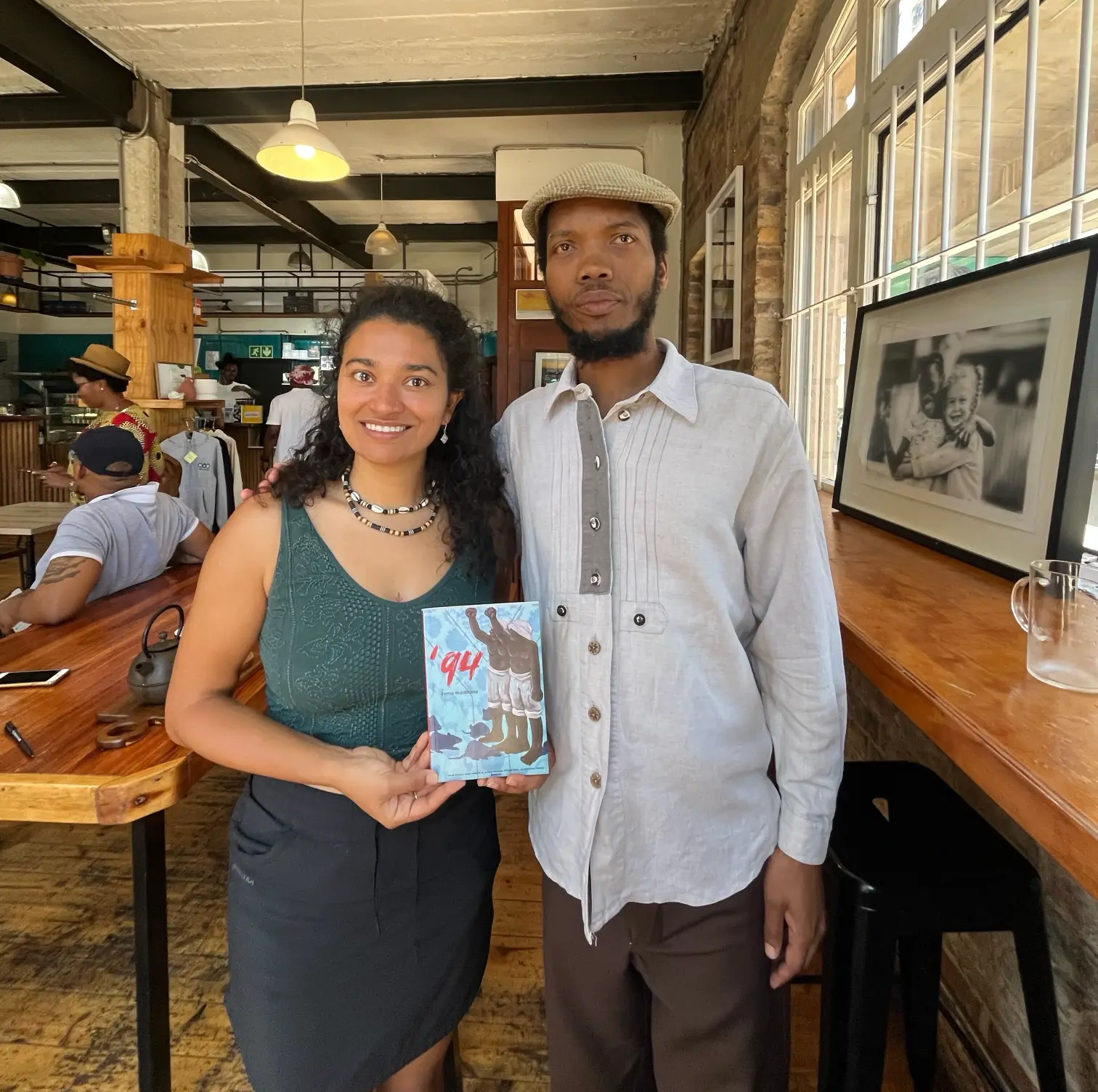
- Listen to Zama Madinana / Buy his Poetry Book ‘94
- Read The Stellenbosch Mafia by Pieter du Toit
- Read Africa is Not a Country by Dipo Faloyin
- Long Street – Cape Town’s Heartbeat
- Maboneng Precinct – Jozi’s Heartbeat
- Langa Township hosted by Ubizo Events and Tours
- Work from Neighbourgood in Cape Town
- Eat at Sakhumzi Restaurant in Soweto
About the author
Ms. Priyanka Surio is a two-time published travel author and expert in regenerative and sustainable travel. She has visited nearly 90 countries, 7 continents, and all 50 U.S. states and considers herself a global citizen with no permanent home as an Indian-Hungarian-American. She stays involved with various global initiatives spanning India, Africa, and the Americas, including sustainable urban planning, climate action, cultural preservation, and economic empowerment. She currently works as a government consultant supporting digital transformation in health and social care. She also has private sector experience working in venture capital and at Google, where she advanced innovations, products, and companies focused on health and sustainability. Find out more about her at linktr.ee/pstravelstories.