Personal story by Igor Kondrat
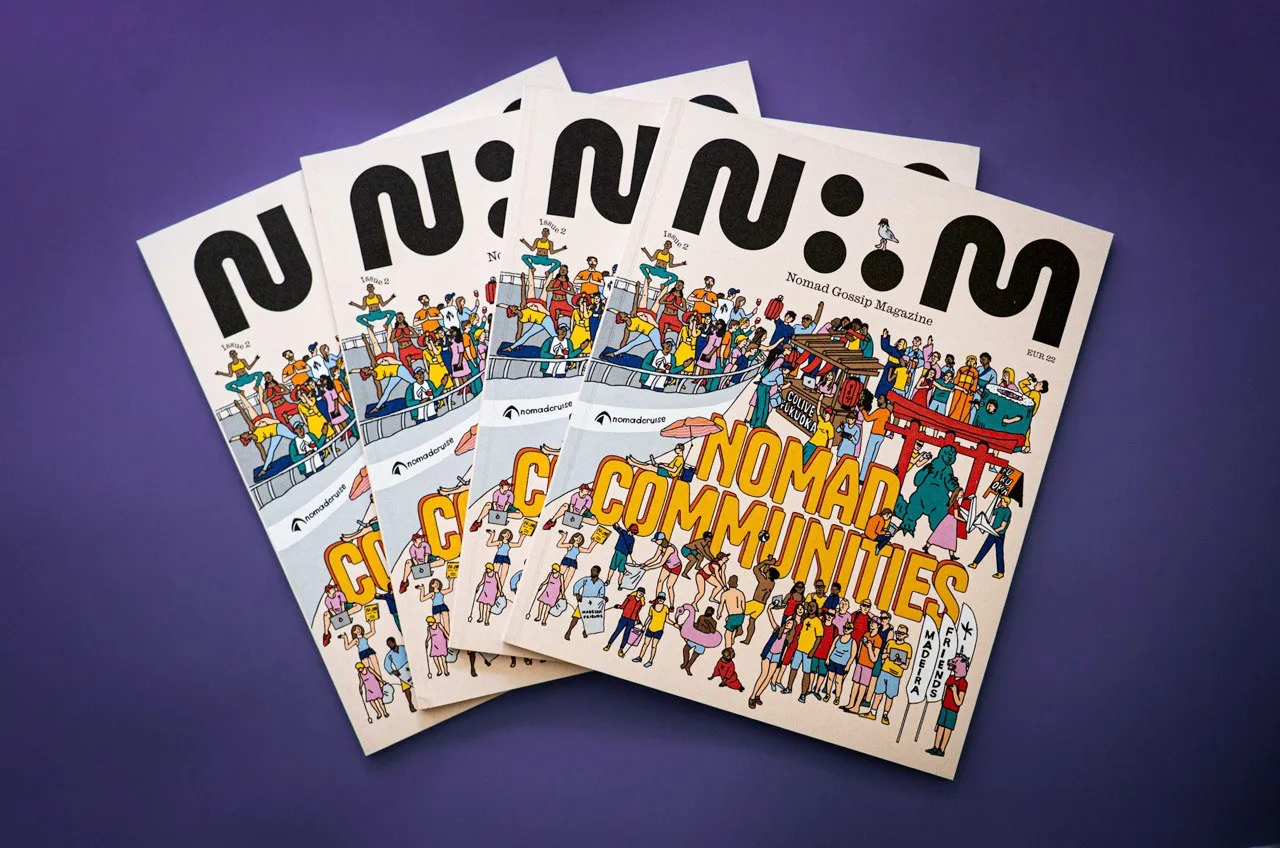
The sound of waves, a wooden terrace with a beach view, and the refreshing taste of coconut water straight from the coconut. You just woke up in a surf town with bohemian vibes. The day starts with a run or surf session followed by a crispy poke bowl, and reading a travel magazine. Don’t forget! You still need to open your laptop… and get some digital work done.
Let me take you through my journey – the experiences and challenges of working remotely as a digital nomad across five continents for seven years.
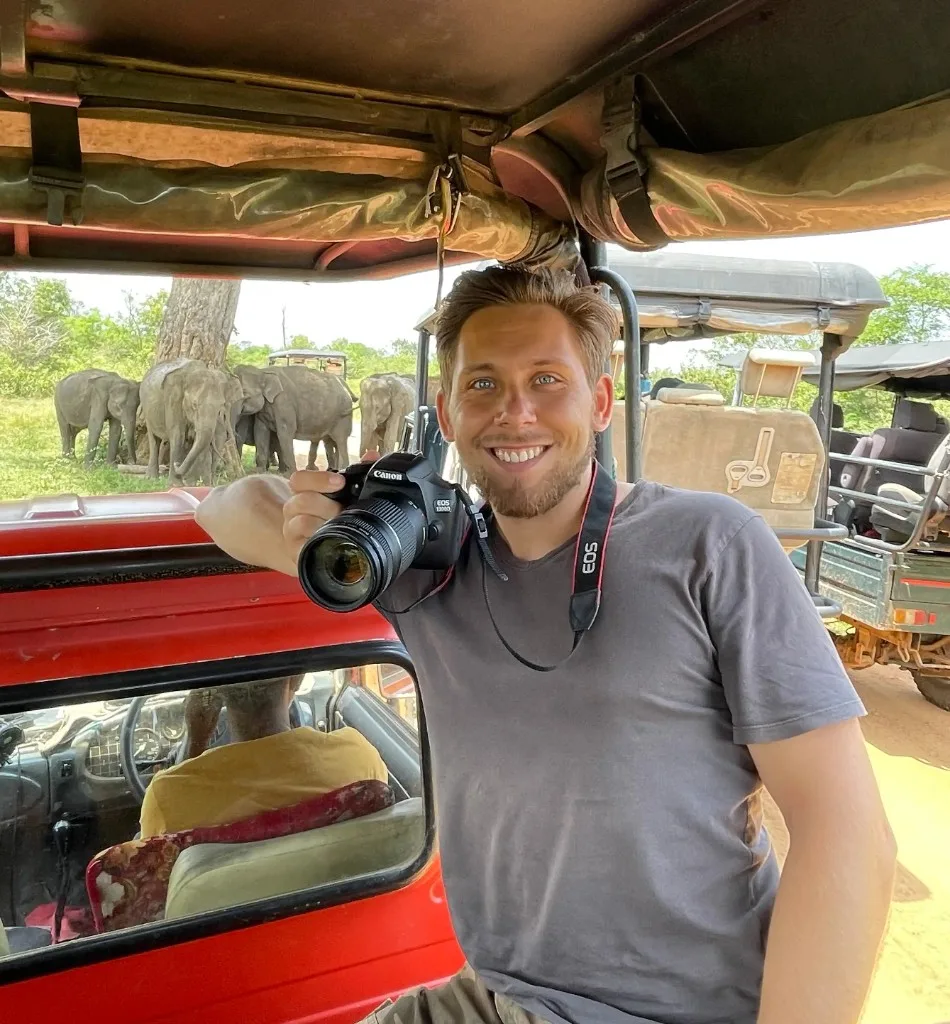
I’m Igor Kondrat and I’m a travel journalist. I work for my own company online as a digital nomad. I provide travel journalism services like writing articles, travel blog posts, copywriting, and video editing for travel media & tourism companies. I teach fellow creatives how to become a travel journalist through my Travel Journalism Academy, and get published in travel media to make an impact with storytelling.
Leaving the Netherlands for a location-independent life
In the rainy Netherlands I felt overwhelmed by the fast pace of the city, high cost of living, and gloomy weather conditions. So, I decided to make a change and go out there with my camera and laptop to be able to create a location independent lifestyle. I swapped my 9-5 work days for online work by freelancing. That gave me the freedom to explore new places and stay in more affordable locations whilst still doing my work remotely for my clients in The Hague.
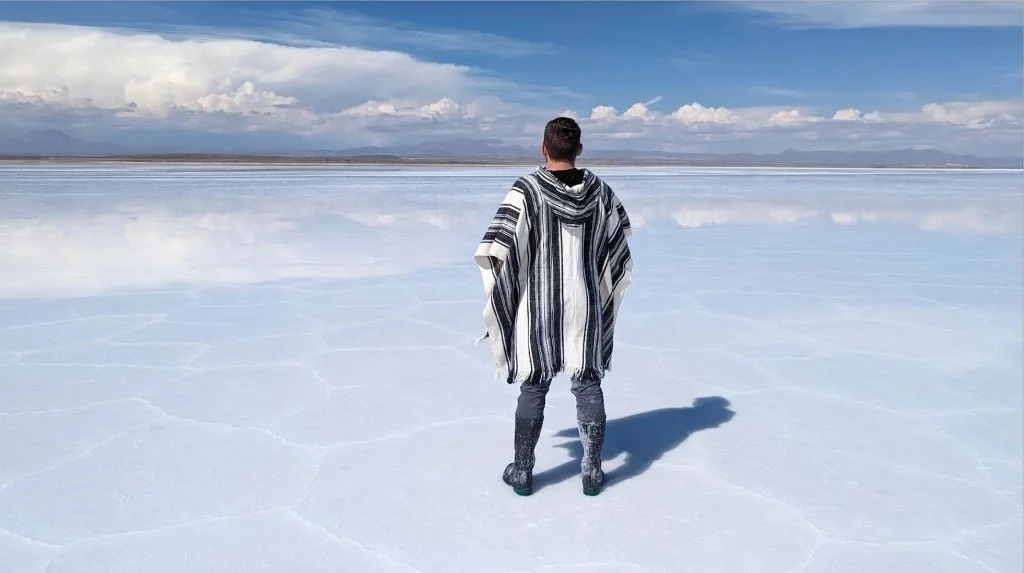
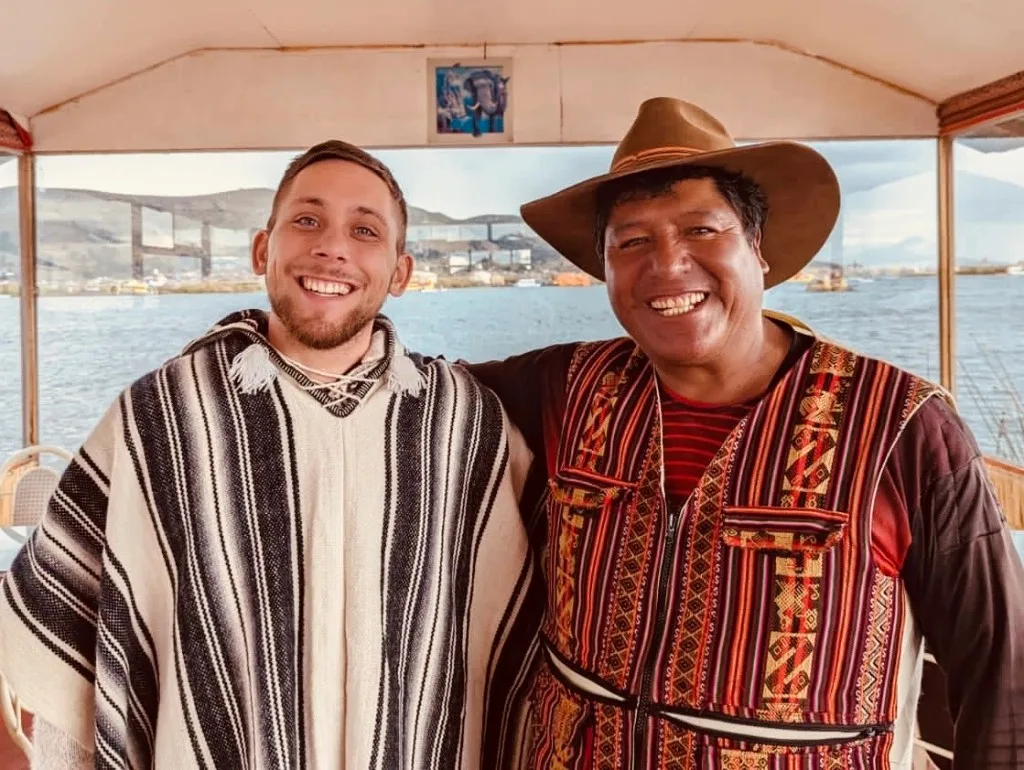
The remote lifestyle gave me the opportunity to follow my passion for travel, discovering new cultures, and practising boardsports. I traveled to and explored five continents, and worked online from magical places like Japan, Mexico, Costa Rica, Morocco, Greece, Thailand, Sri Lanka, Peru, Ecuador, and many more. I usually love to stay longer in surf towns, and explore the country and its culture in my free time while documenting the differences in cultures through my camera.
The reality behind the laptop
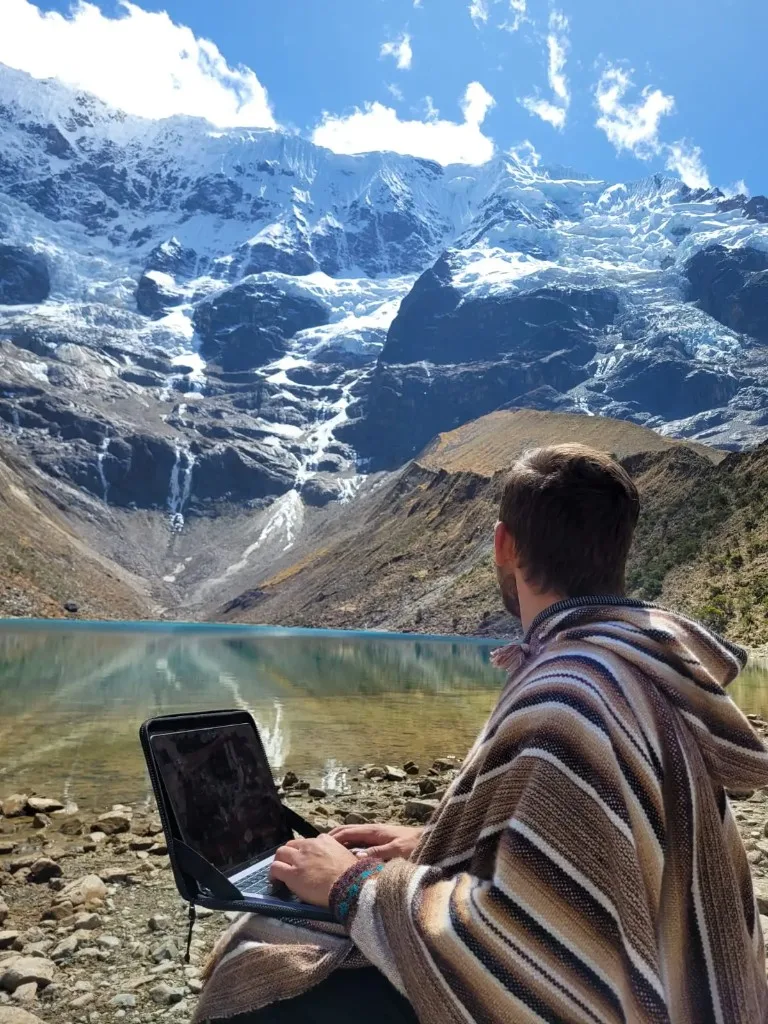
The digital nomad lifestyle is not always barista-made coffees, wild adventures, and magical sunsets. You still need to get your work done, find clients, pitch, communicate, edit, write, do your administration, and pay taxes. That’s why your workspace is so important. I used to work a lot in crowded hostels, cafés, and libraries. Now I prefer to rent a place with a terrace to work remotely from or go to a co-working space nearby. It’s important also to have strong and stable WiFi, and choose a location with a timezone that fits your clients.
Today, the digital nomad world is moving fast because of new technologies with social media, blockchain, AI, and new opportunities in the online career market. Being a digital nomad gives you a great position to be ahead of the crowd. It’s also fantastic to see that many expats and digital nomads have started to nurture offline time because of the digital screen overload. Many nomads have begun to relocate to places which offer lots of nature, spaces to play sports, and opportunities for hobbies such as gardening or mindful outdoor activities.
Challenges on the road
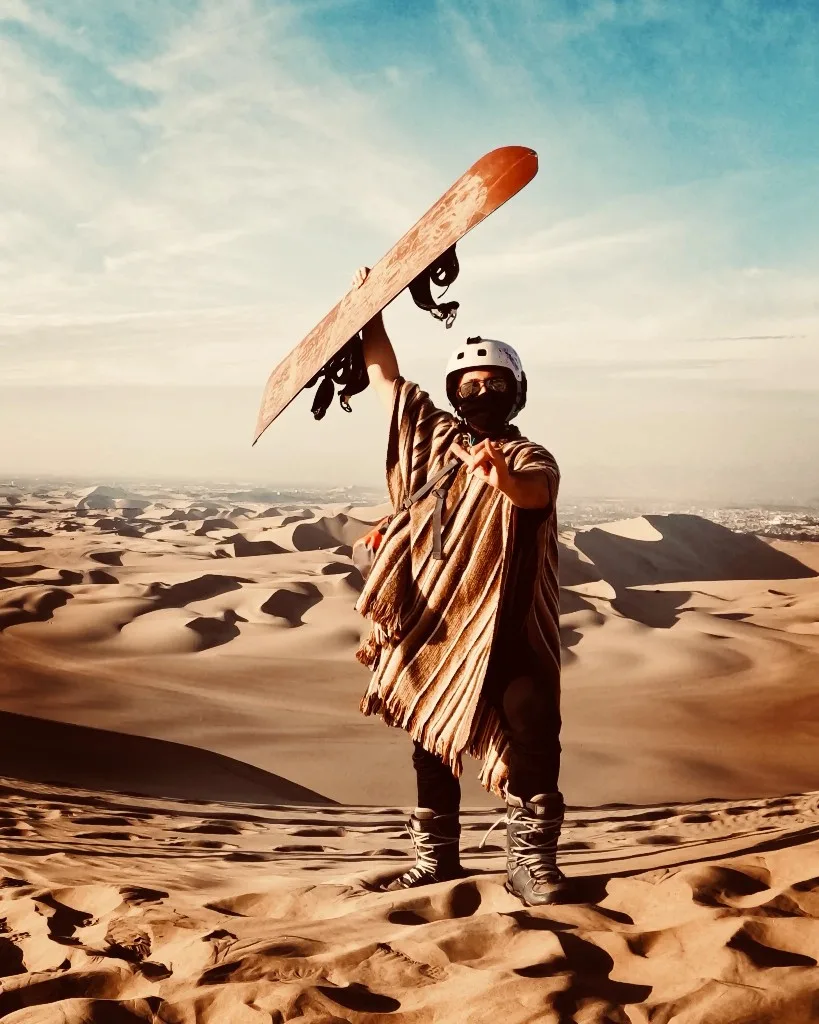
When you travel as a digital nomad and hop from place to place with your laptop, you can expect some challenges. Whilst on the road, I’ve had my phone stolen, been caught in an armed robbery, dealt with injuries from surfing in Ecuador and snowboarding in Poland, and experienced food poisoning in Peru and an earthquake in the Philippines. These moments were challenging, but they built resilience and adaptability, skills you can’t learn from a guidebook. When things go wrong, staying calm, focusing on what you can control, and having basic contingency plans (backups, insurance, emergency contacts) makes all the difference.
Staying safe while traveling
Staying safe whilst traveling doesn’t have to be complicated, but it does require awareness and preparation. A few simple habits can make your experience smoother, more secure, and far more enjoyable.
- Stay streetwise and pay close attention to your surroundings.
- Keep family or friends updated on your whereabouts.
- Make sure you have reliable travel insurance.
- Have back up copies of important files and documents.
- Take time to connect with local people — they can be helpful if something goes wrong.
- Remember: most people are kind, but scams do exist.
Mistakes I made early on
As a digital nomad I made many mistakes during my initial travel years. I traveled too fast, so I didn’t have time to acclimatize to my new environment. I was also building a lot of short-term relationships with people, and not always choosing the right accommodation or a peaceful place to work.
Choosing the right base
Starting a digital nomad lifestyle is exciting, but choosing the right base can make a big difference to your success and wellbeing. Being intentional about where and how you live helps you stay productive while still enjoying the freedom of travel. With a bit of planning, you can create a lifestyle that balances work, community, and adventure.
- Choose a location where your cost of living is lower than your income.
- Find a place where you can work in a quiet, comfortable environment.
- Look for destinations with an existing expat or digital nomad community.
- Stay longer in one place to build deeper relationships.
- Consider time zones that help you stay connected with clients or colleagues.
- Make time to relax and enjoy your surroundings.
- Leave space in your schedule for spontaneity.
Building a sustainable career
This journey has been about building a sustainable career in travel journalism. By starting out as a freelancer, working with small clients, and gradually growing a portfolio, I was able to create the stability needed to take the leap into a fully remote lifestyle. The laptop and passport made it possible, but consistent work, pitching, and storytelling, made it last. Seven years in, it’s not about where I go, but the stories I produce and the career I’ve built along the way.
About the author
Igor Kondrat is a travel journalist & digital nomad. He helps creative people to get published in travel media, and be able to work remotely with tourism brands from anywhere in the world to make a local impact with storytelling. Find him at Travel Journalism Academy.